Historical Designs
Mesopotamia
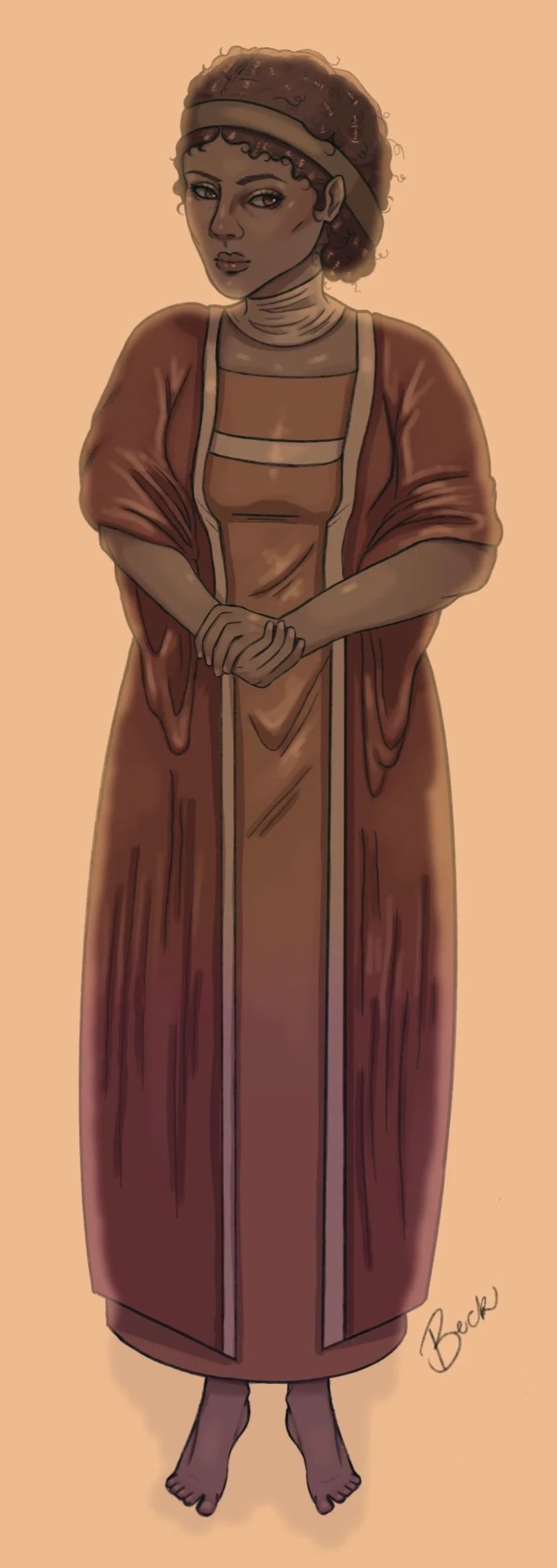
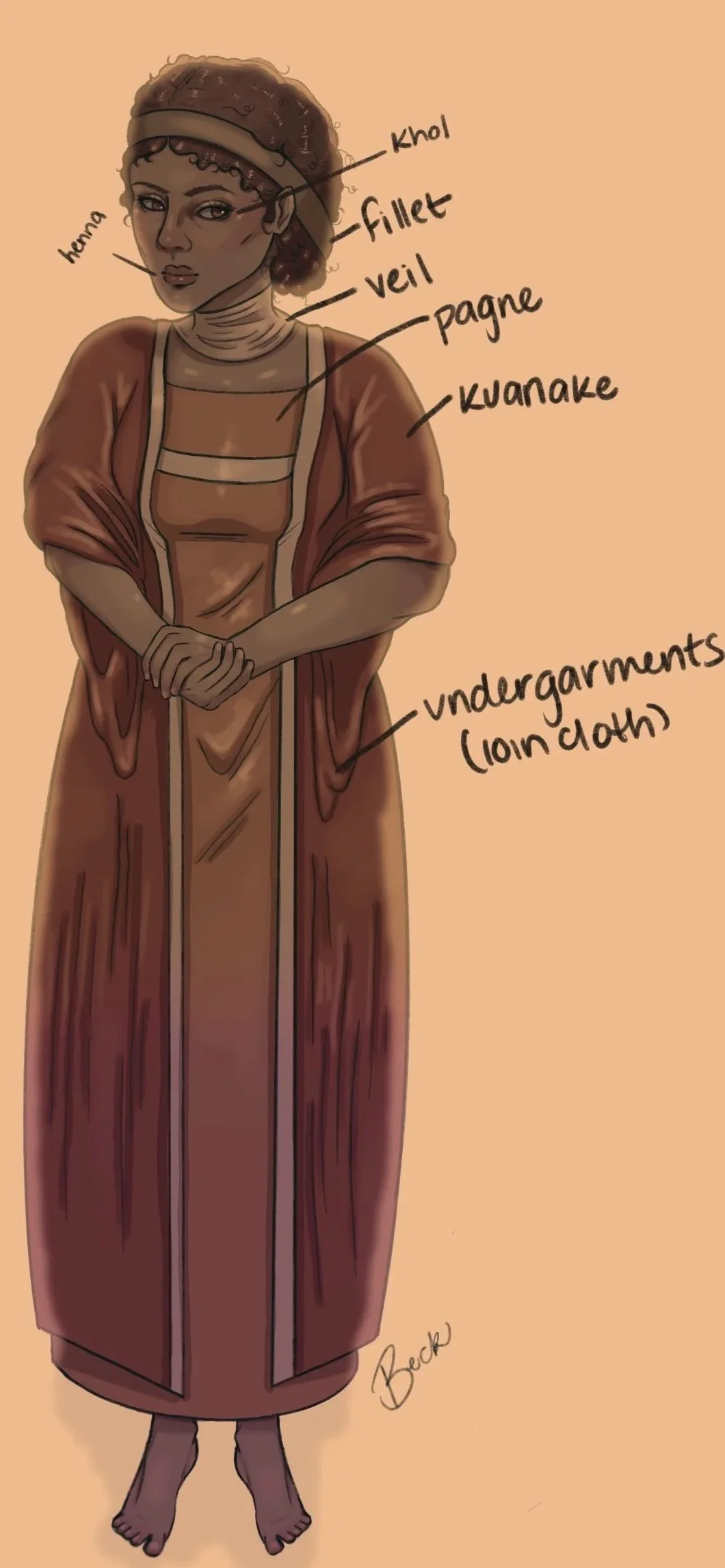
Babylonian Woman (2500-1000 BCE)
Primary Source Research:
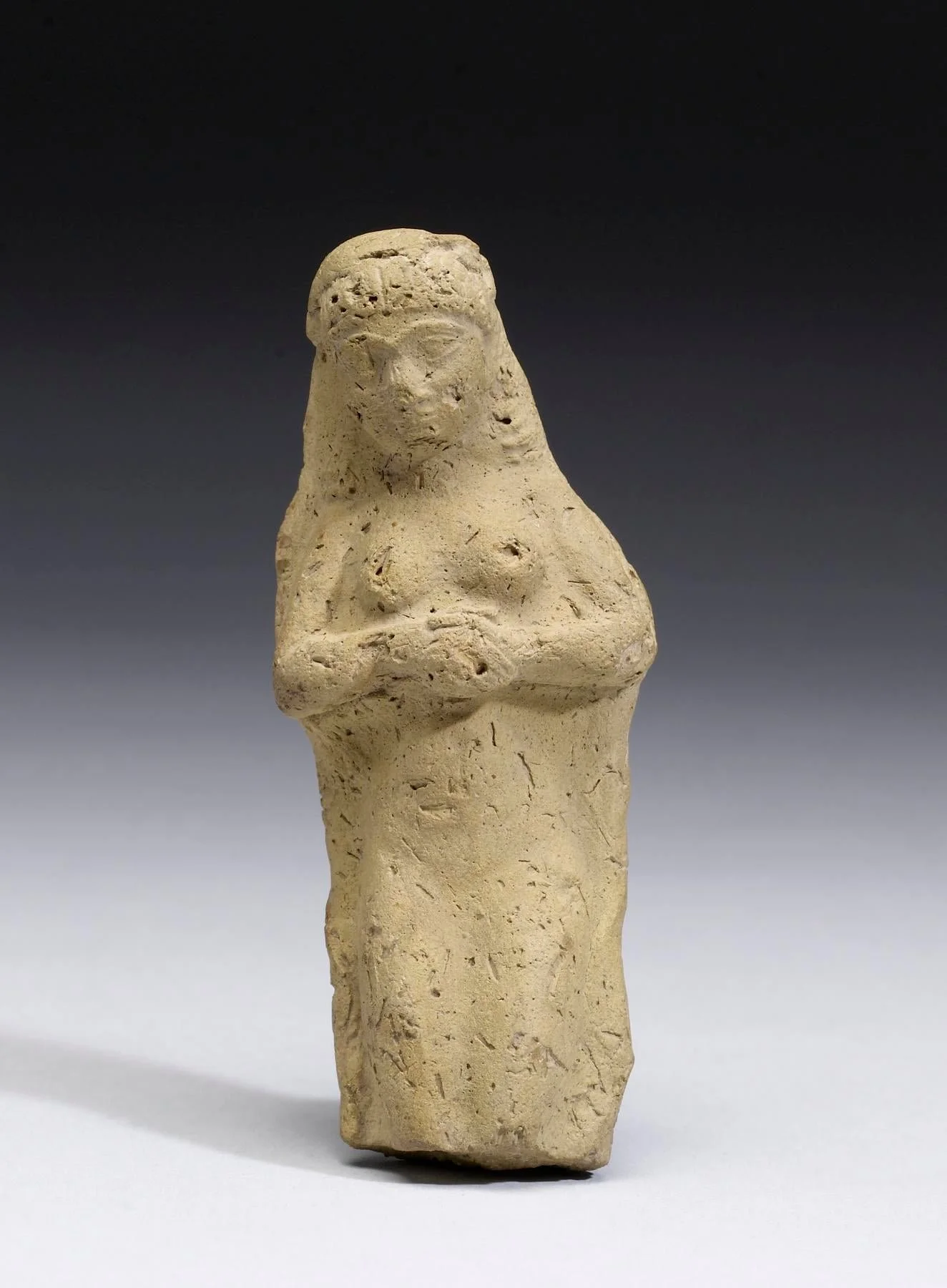
“Female Mesopotamian Figure, 1000-500 BCE (Neo-Assyrian (?); Neo-Babylonian (?)). Museum Purchase [Formerly Part of the Walters Collection], 1941, 48.1807: The Walters Art Museum.” Online Collection of the Walters Art Museum, 18 June 2025, art.thewalters.org/object/48.1807/.
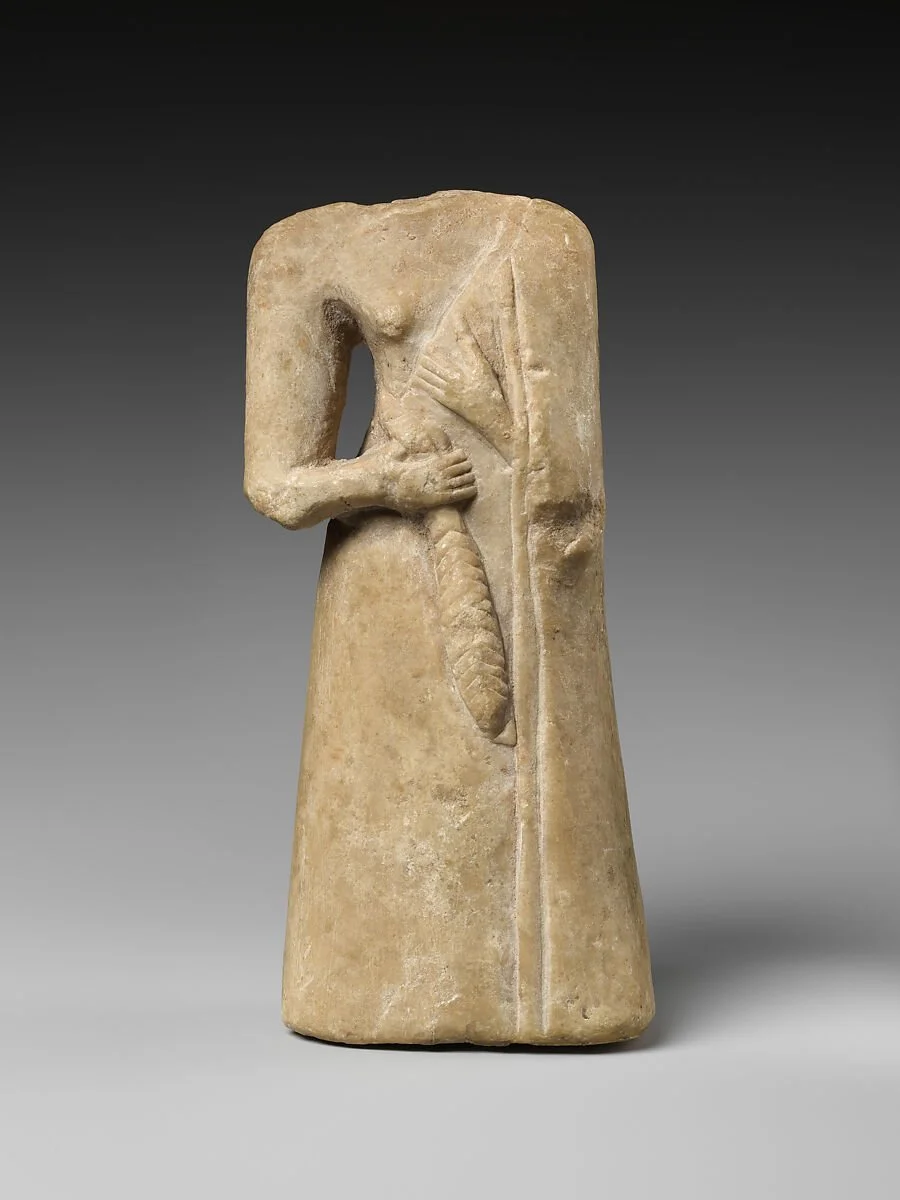
Standing Female Figure - Early Dynastic II - The Metropolitan Museum of Art, www.metmuseum.org/art/collection/search/324117.
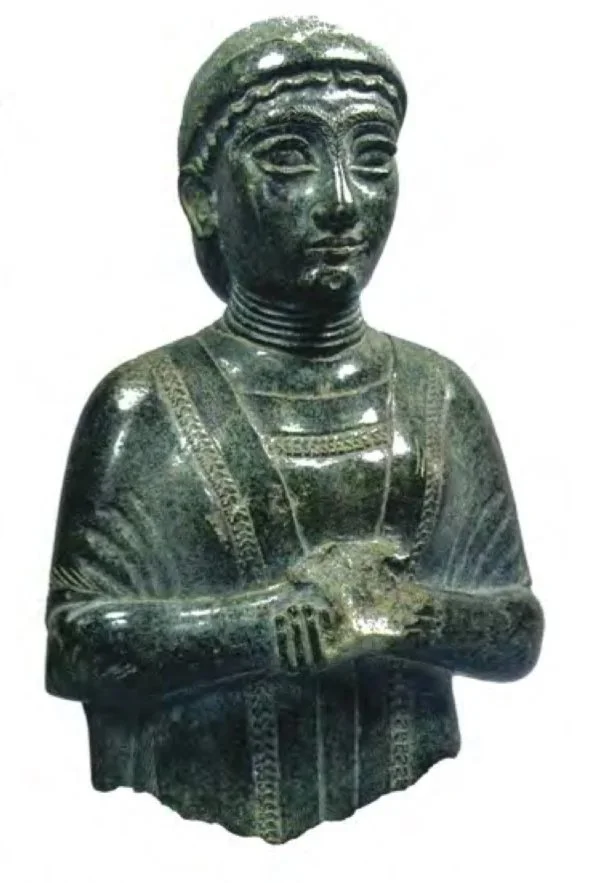
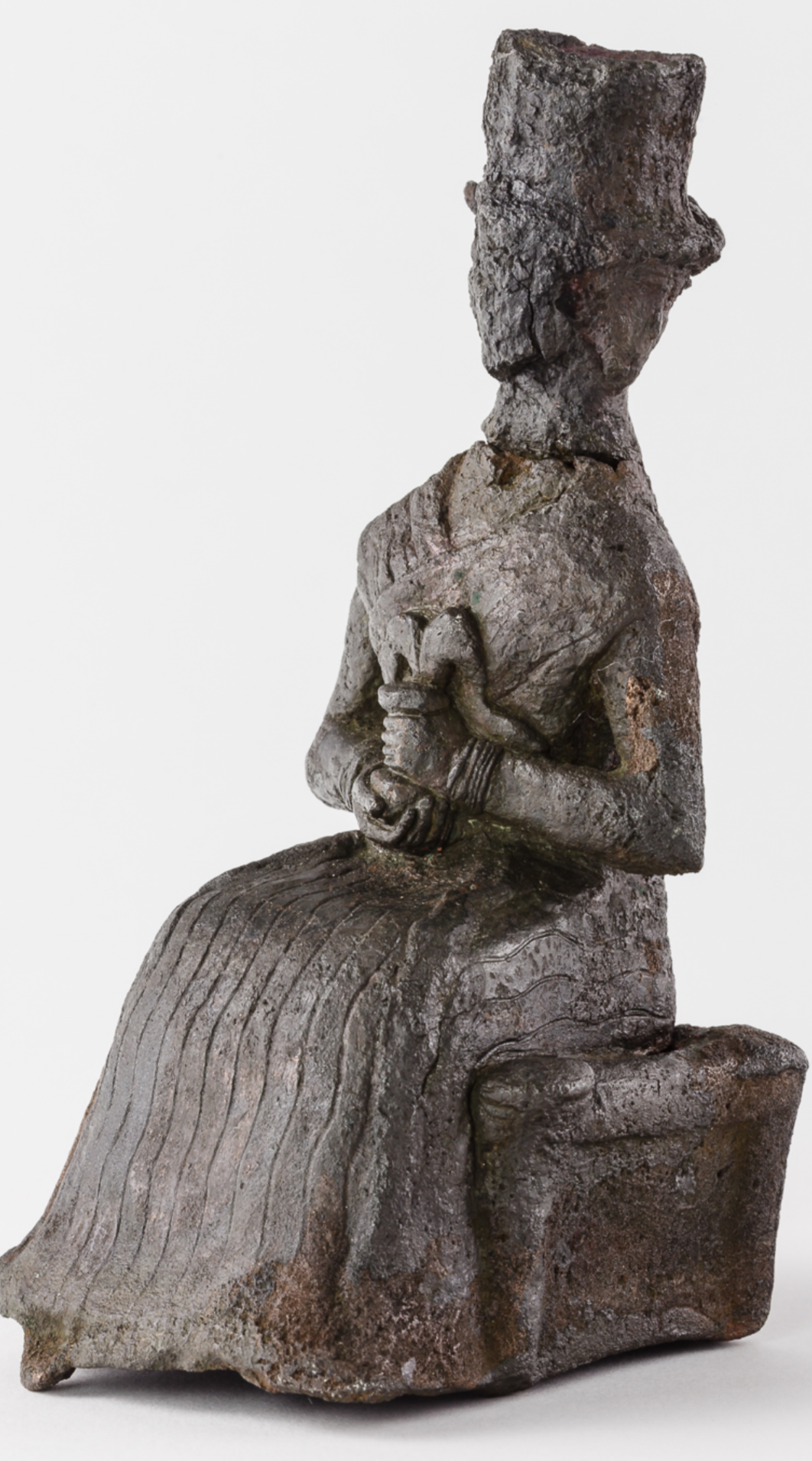
Ressman, Anna R. “Search Our Collections: The Institute for the Study of Ancient Cultures of the University of Chicago.” The Institute for the Study of Ancient Cultures of the University of Chicago, isac-idb.uchicago.edu/id/ac96efb4-750c-4c3c-9436-d3756366b6bd.
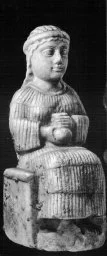
Tortora, Phyllis G., and Keith Eubank. Survey of Historic Costume. Fairchild Publications, 1998.
Statuette (Alabaster; Ht. 7 1/2"). Twenty-second to twenty-first century B.C. [--Parrot.], Paris: Mus. Louvre.; Discovered by a workman on the excavation directed by Joseph Hazzidakis at the Cretan site of Tylissos in the early thirties. JSTOR, https://jstor.org/stable/community.11655468. Sculpture.
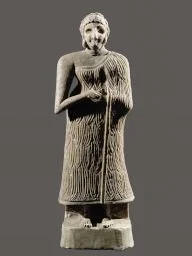
Woman with Folded Hands. c. 2650-2250 BCE, Iraq Museum, Baghdad, Iraq. Erich Lessing Culture and Fine Arts Archives. Artstor. JSTOR, https://jstor.org/stable/community.18134680. Limestone.
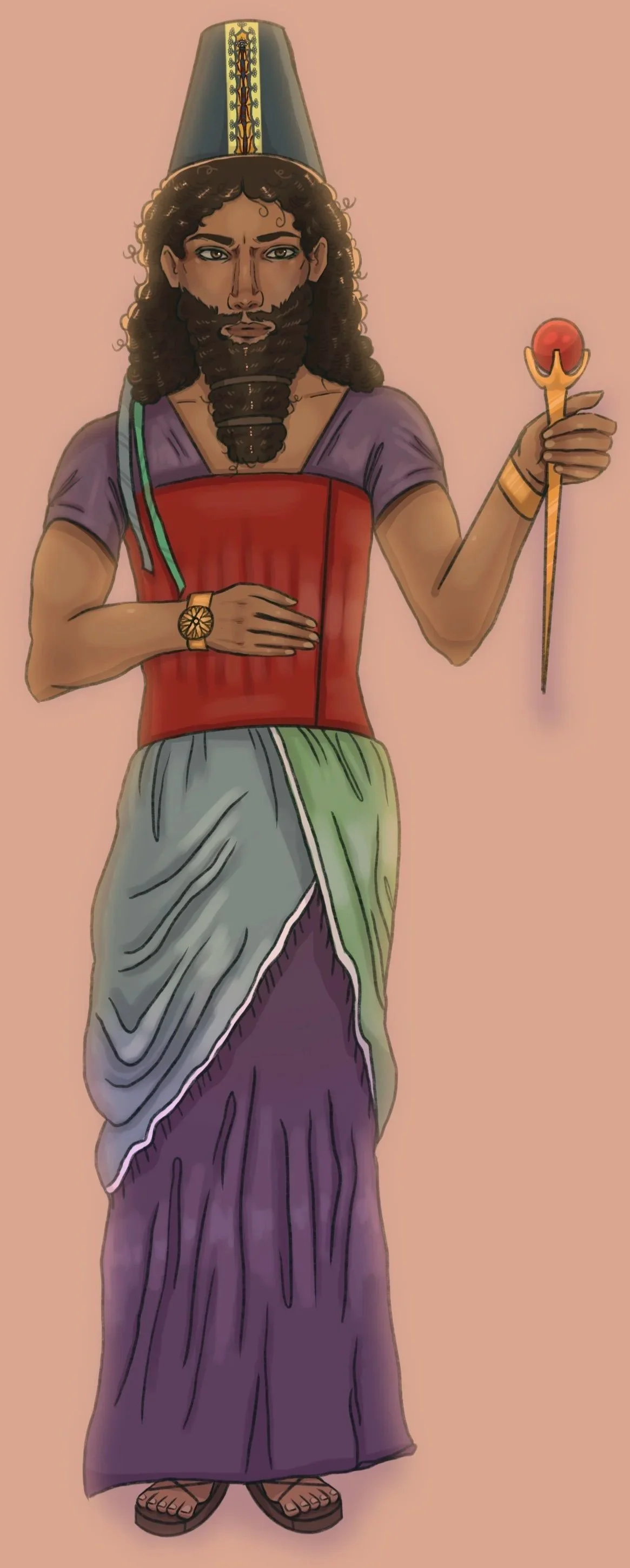
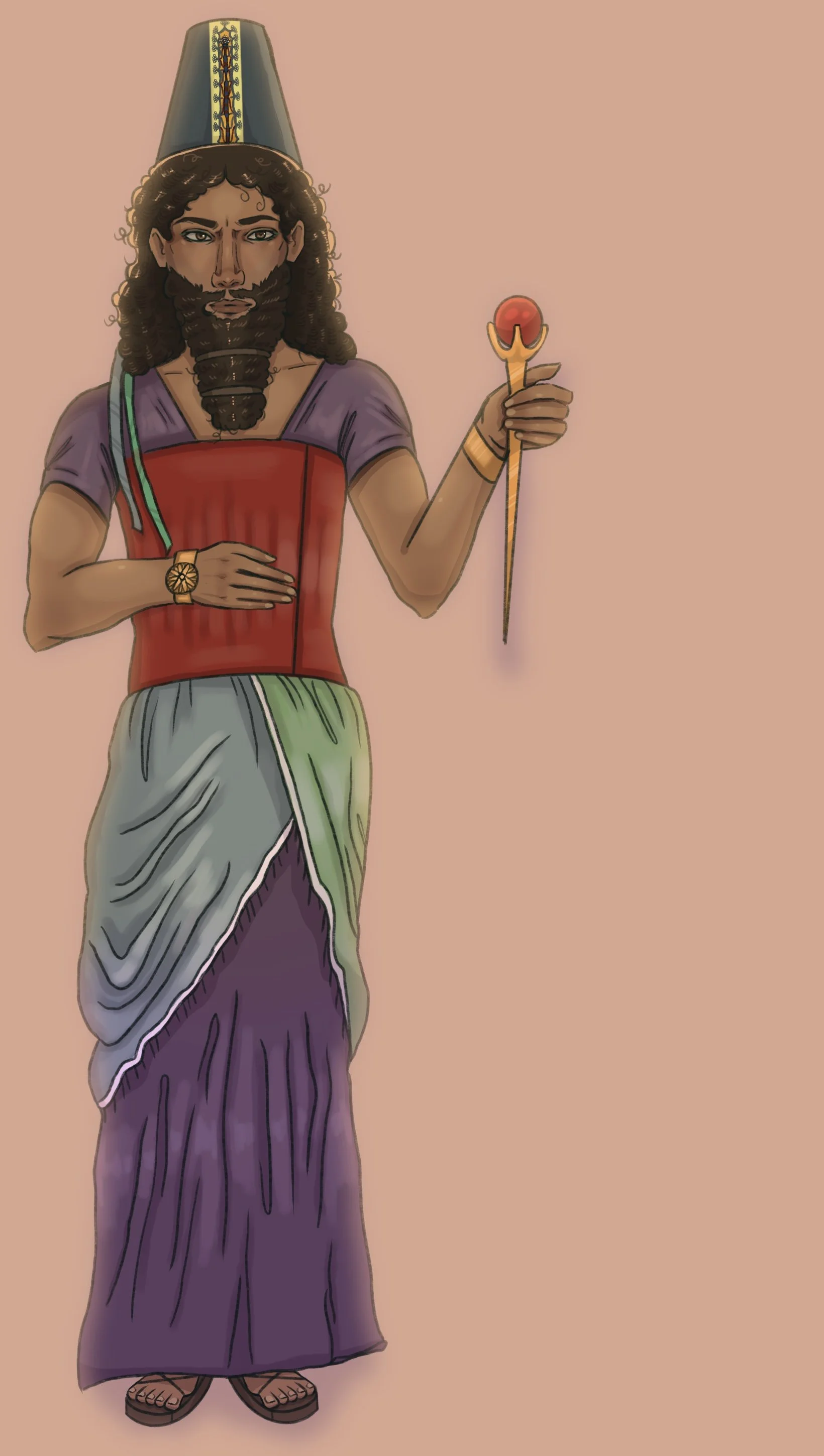
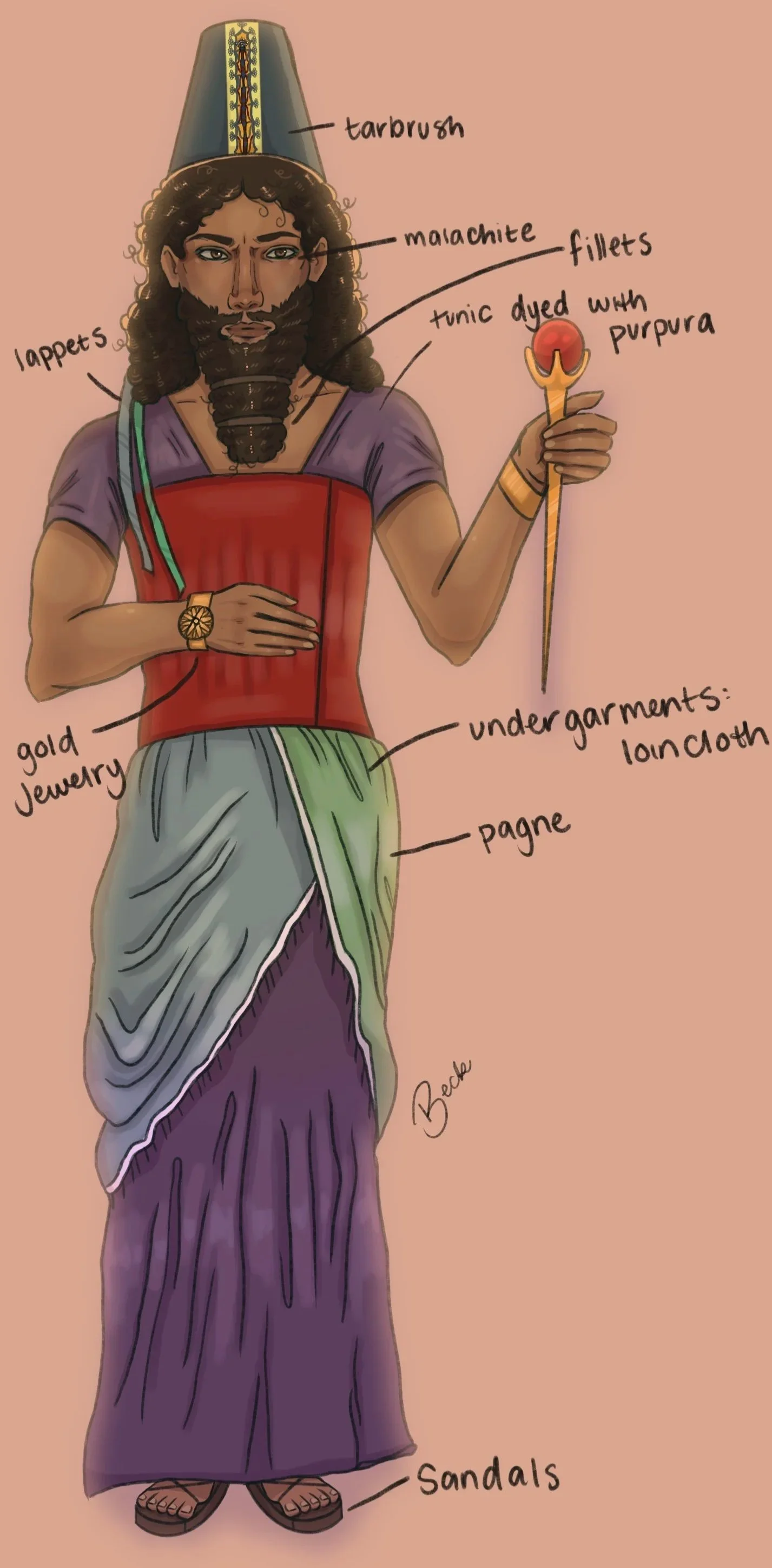
Assyrian Man (1000-600 BCE)
Primary Source Research:
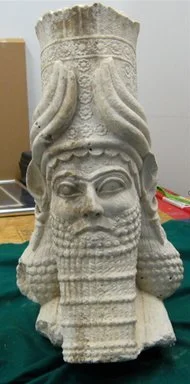
Mashberg, Tom. Assyrian Artifacts to Be Returned to Iraq - The New York Times, 15 Mar. 2015, archive.nytimes.com/artsbeat.blogs.nytimes.com/2015/03/15/assyrian-artifacts-to-be-returned-to-iraq/.
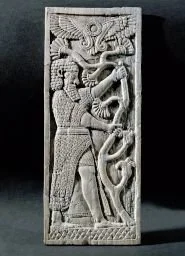
Bearded Man Holding a Tree. 8th century BCE, Iraq Museum, Baghdad, Iraq. Erich Lessing Culture and Fine Arts Archives. Artstor. JSTOR, https://jstor.org/stable/community.18148917. Ivory.
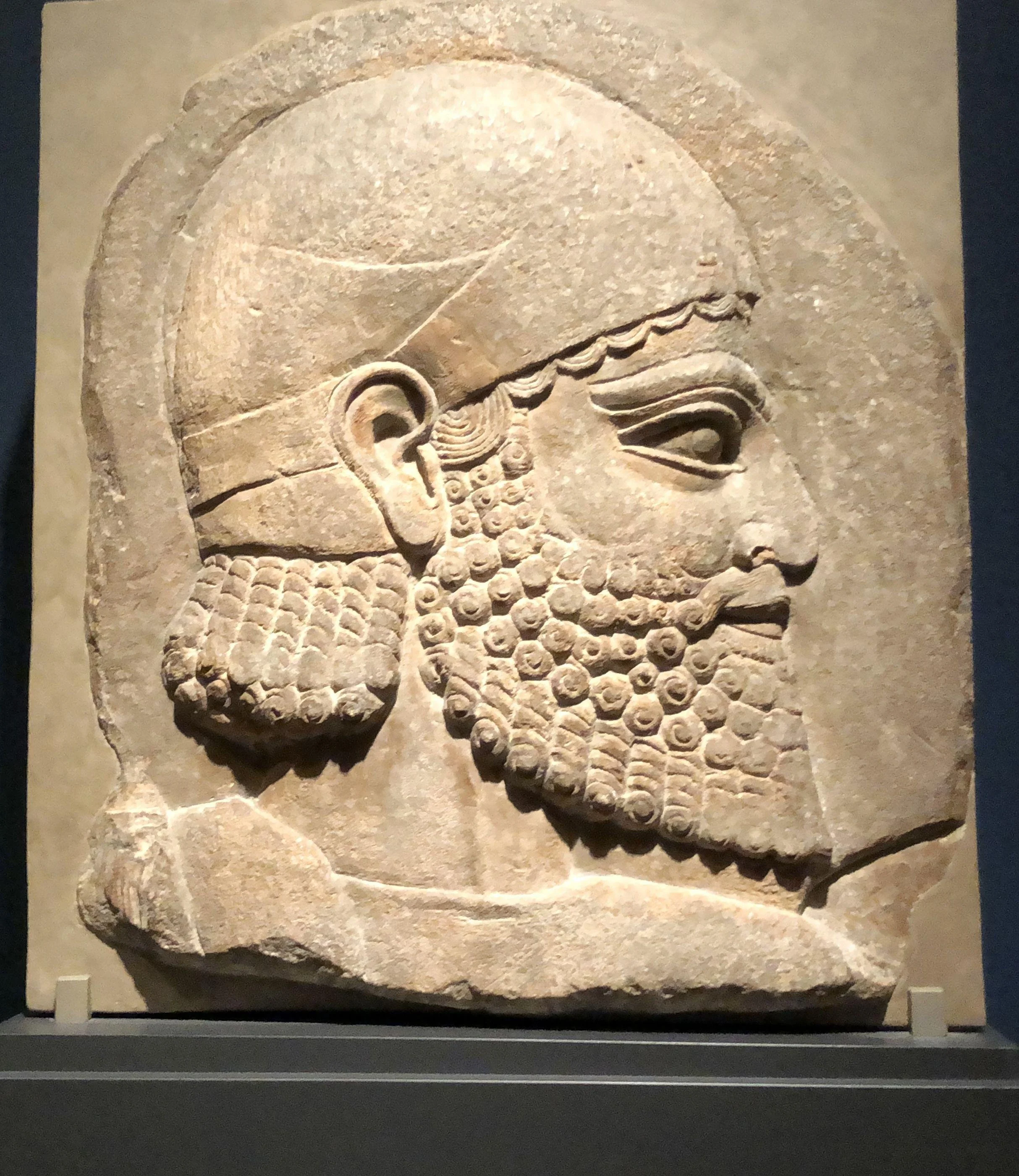
Unknown Creator. Head of a Bearded Man. 710-705 BCE, SAHARA Public Collection. SAHARA: Society of Architectural Historians Architecture Resources Archive. JSTOR, https://jstor.org/stable/community.32453842. Gypsum.
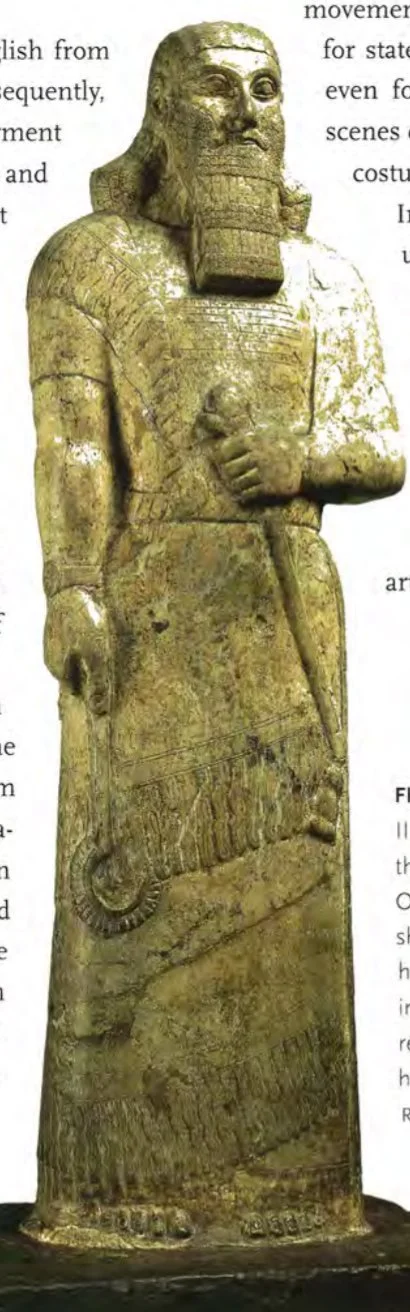
Tortora, Phyllis G., and Keith Eubank. Survey of Historic Costume. Fairchild Publications, 1998.
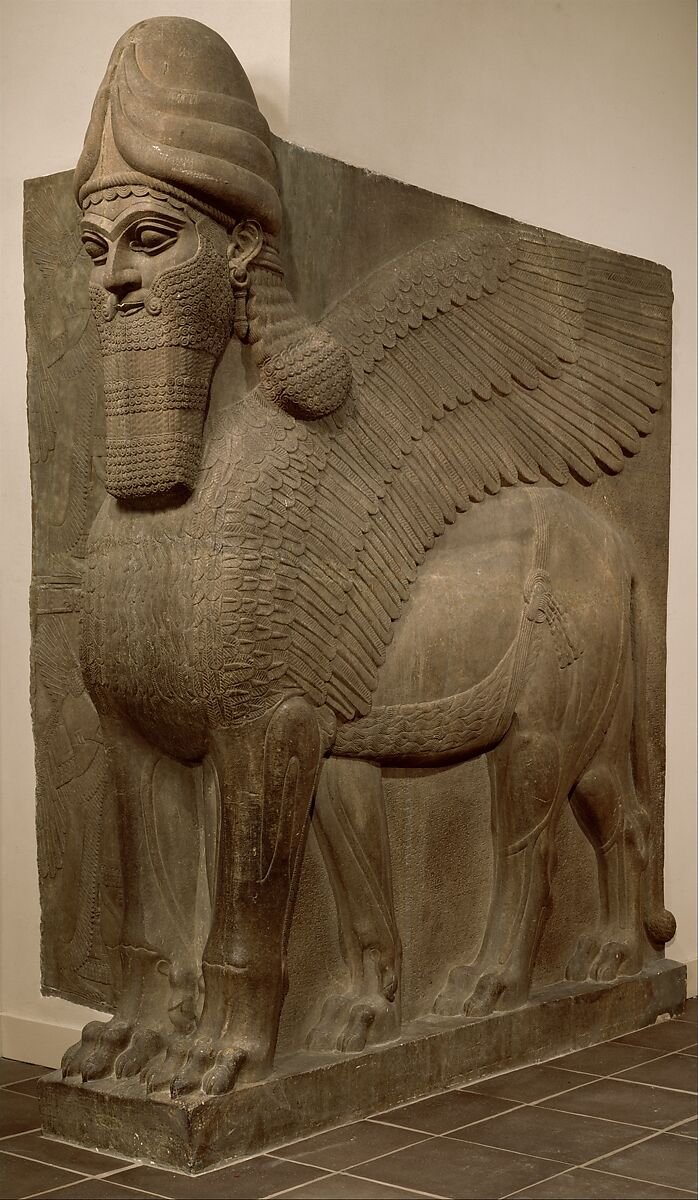
Human-Headed Winged Lion (Lamassu) - Assyrian - Neo-Assyrian - The Metropolitan Museum of Art, www.metmuseum.org/art/collection/search/322609.
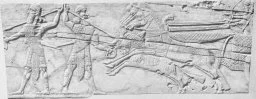
Plaque (Relief; 2 1/4" x 6 3/16"). Dated ca. 700 B.C. [--MBAB.], New York: Mus., Metropolitan Museum of Art; Fletcher Fund, 51.131,5.; Discovered in 1961 on the island of Mykonos. JSTOR, https://jstor.org/stable/community.11655855. Ivory.
Egypt
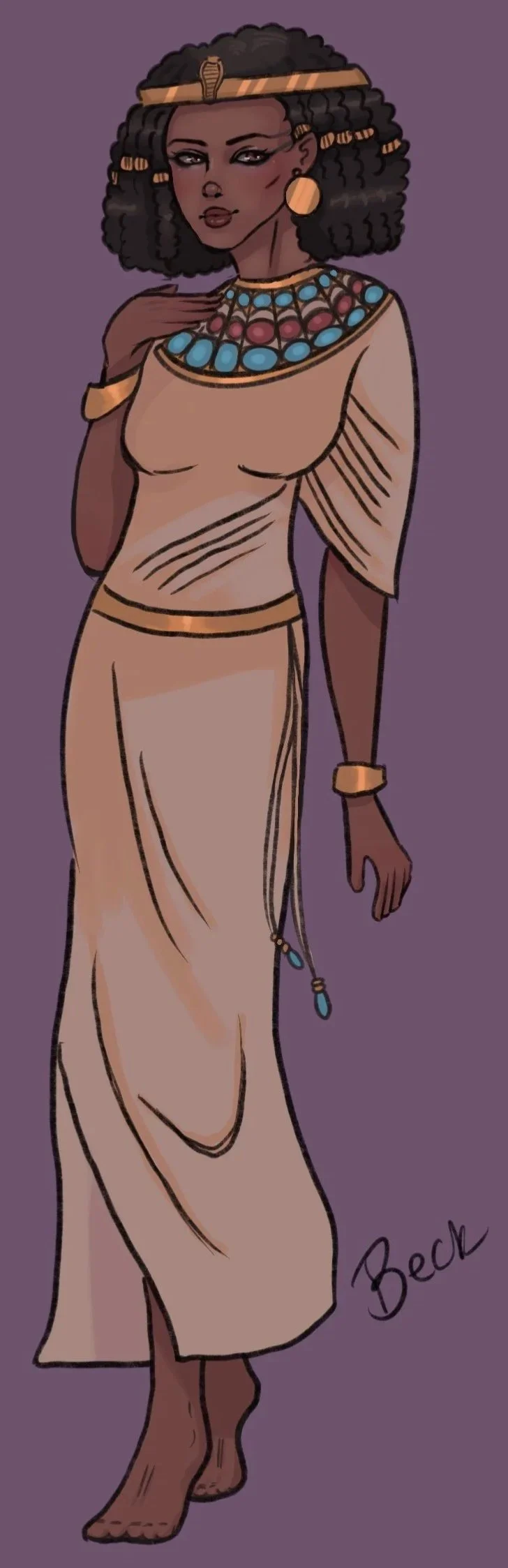
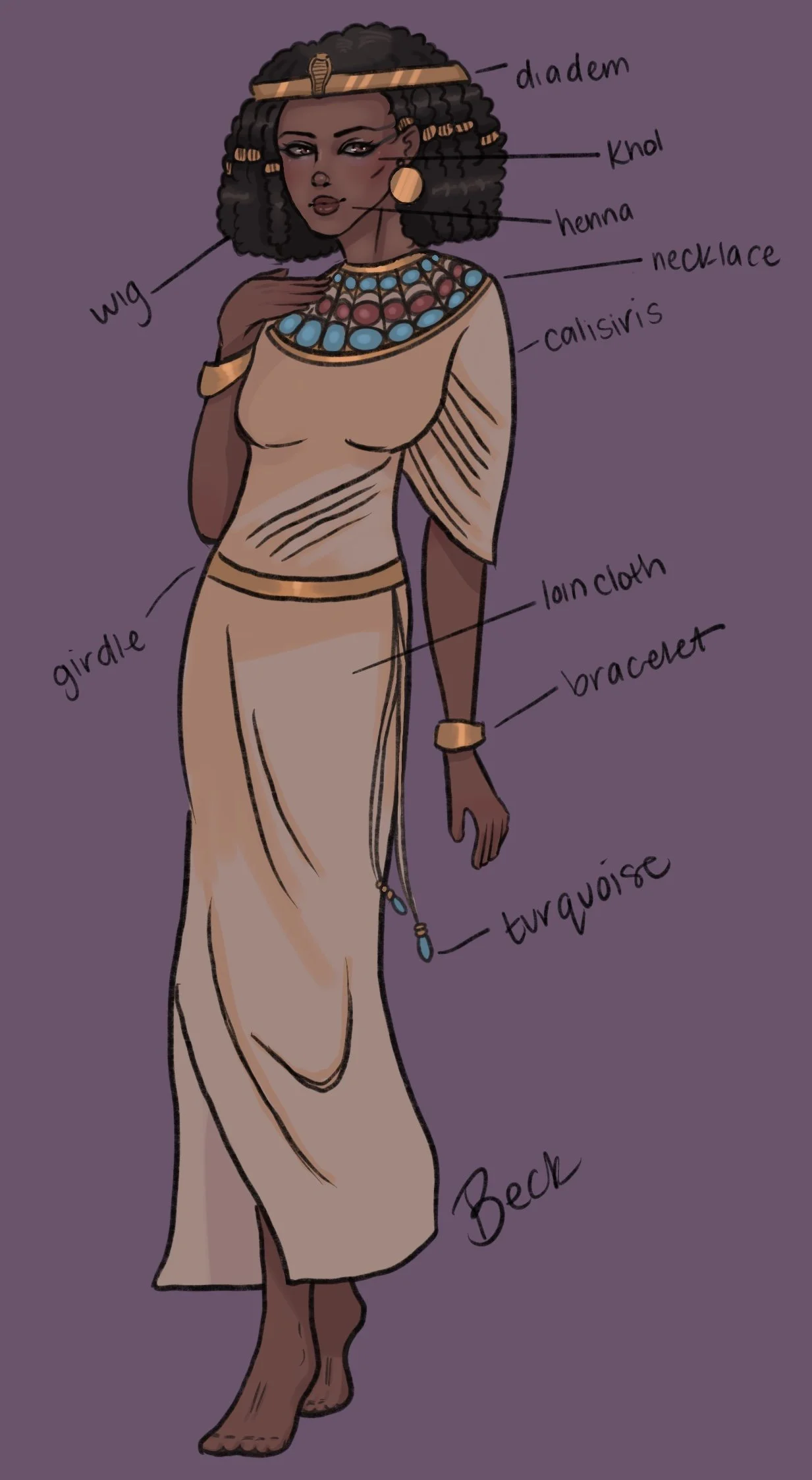
Middle Kingdom Pharoah Woman (2134- 1786 BCE)
Primary Source Research:
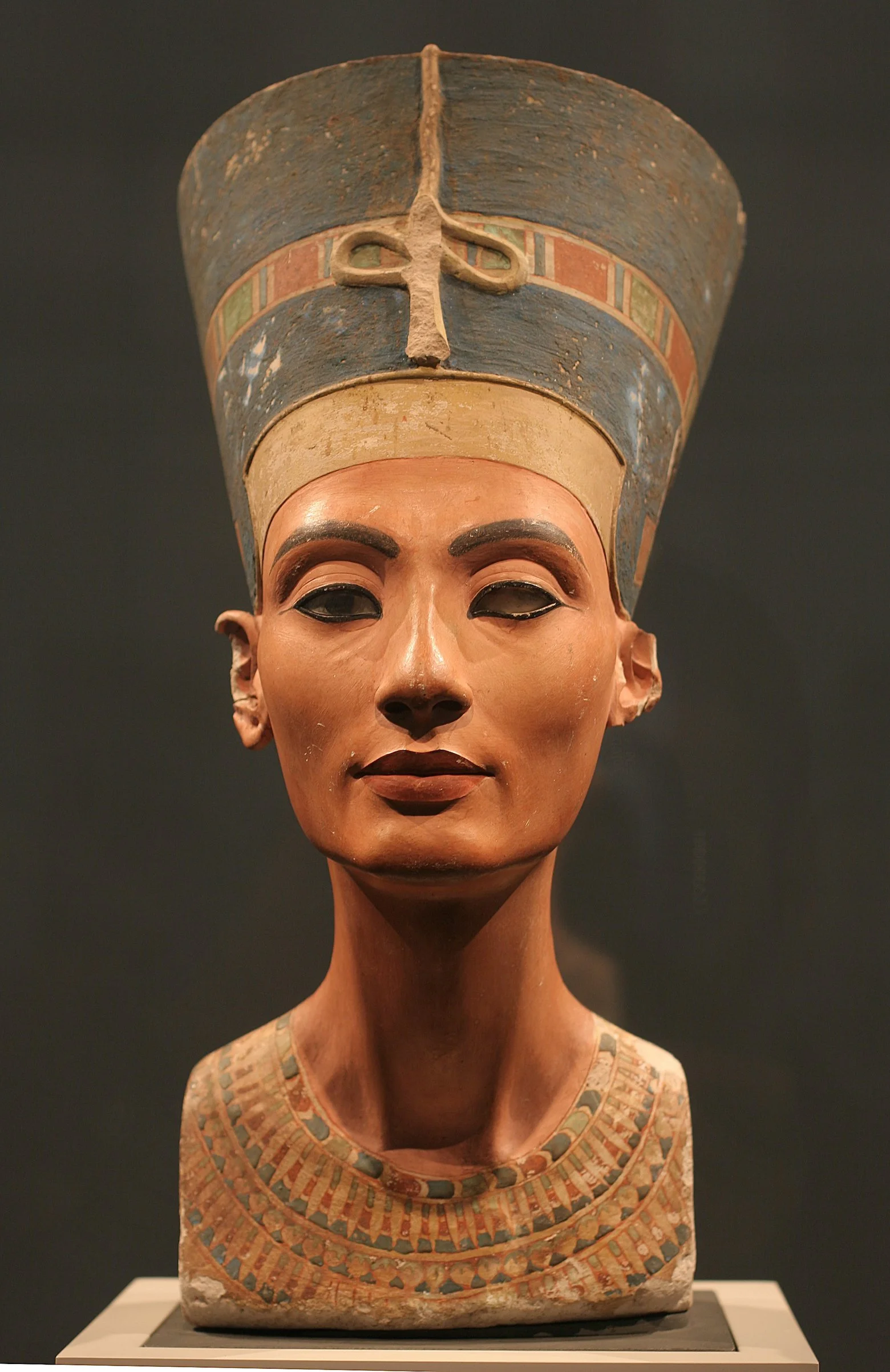
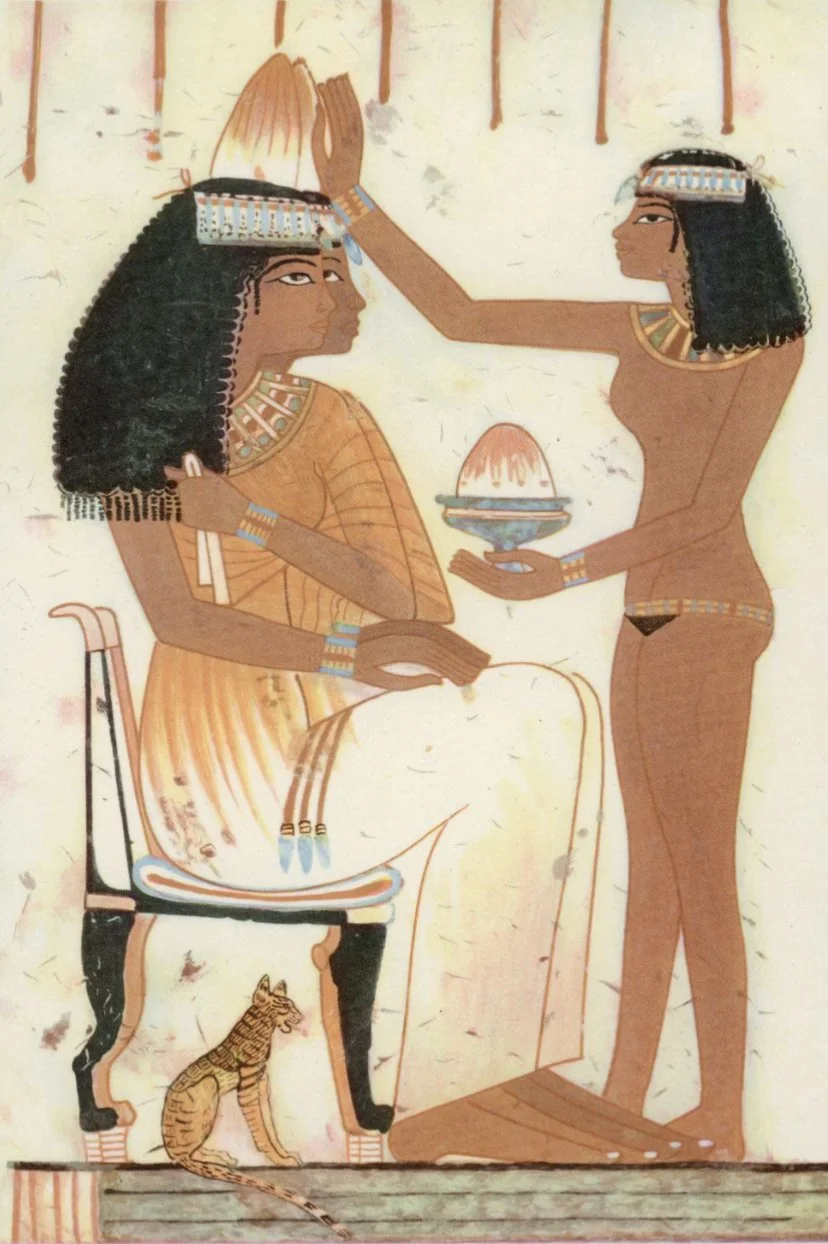
Wall (Paint Preserved). Kansas City: Gall., Nelson-Atkins.; Found at Lagash (modern Telloh). JSTOR, https://jstor.org/stable/community.11653922. Painting (detail).
Cooney, Kara. “Women in Power-a Lesson from Cleopatra, Nefertiti and Others.” Time, Time, 4 Aug. 2026, time.com/5425216/ancient-egypt-women-in-power-today/.
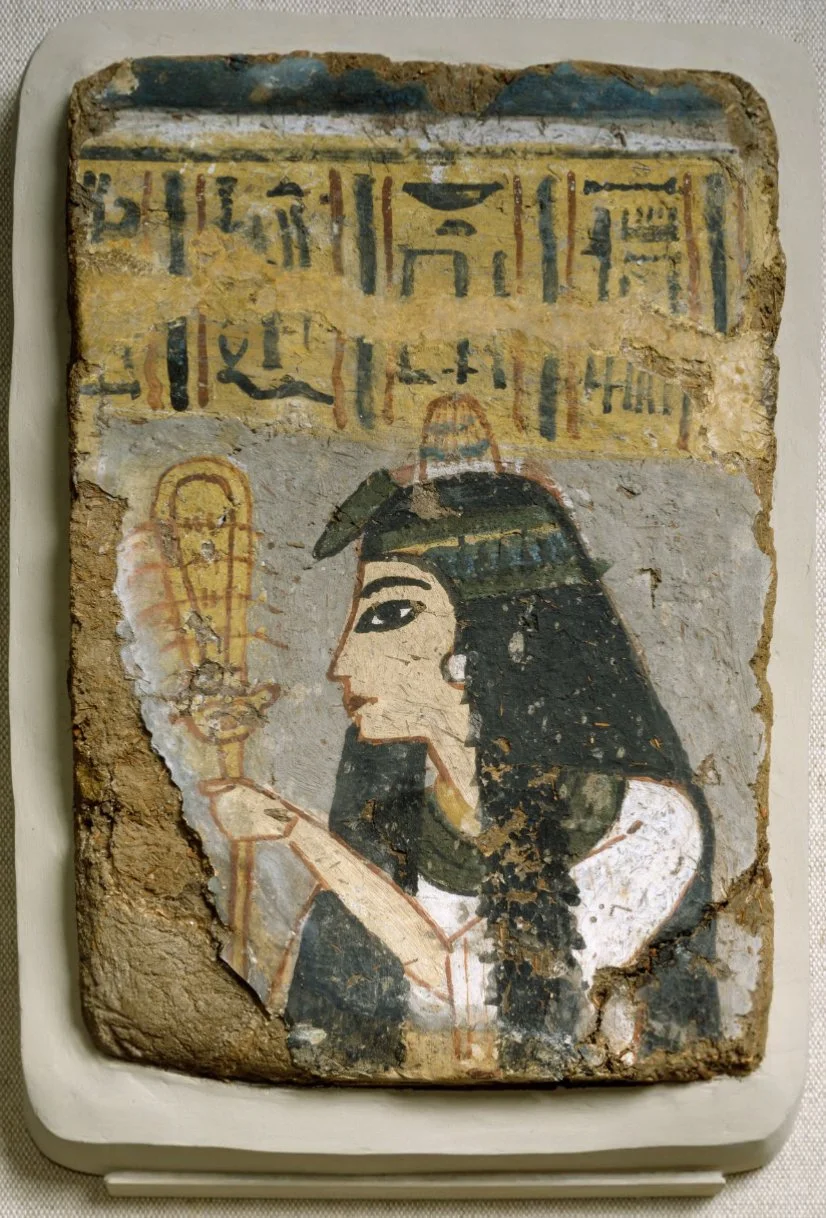
Artist: Anonymous (Egyptian). Wall Painting: Woman Holding a Sistrum. ca. 1250-1200 BC, The Walters Art Museum; Acquired by Henry Walters, 1909; 32.9; Dikran Kelekian, New York and Paris; Henry Walters, Baltimore, 1909, by purchase; Walters Art Museum, 1931, by bequest.; http://thewalters.org. JSTOR, https://jstor.org/stable/community.15704319. Plaster over mud, with paint.
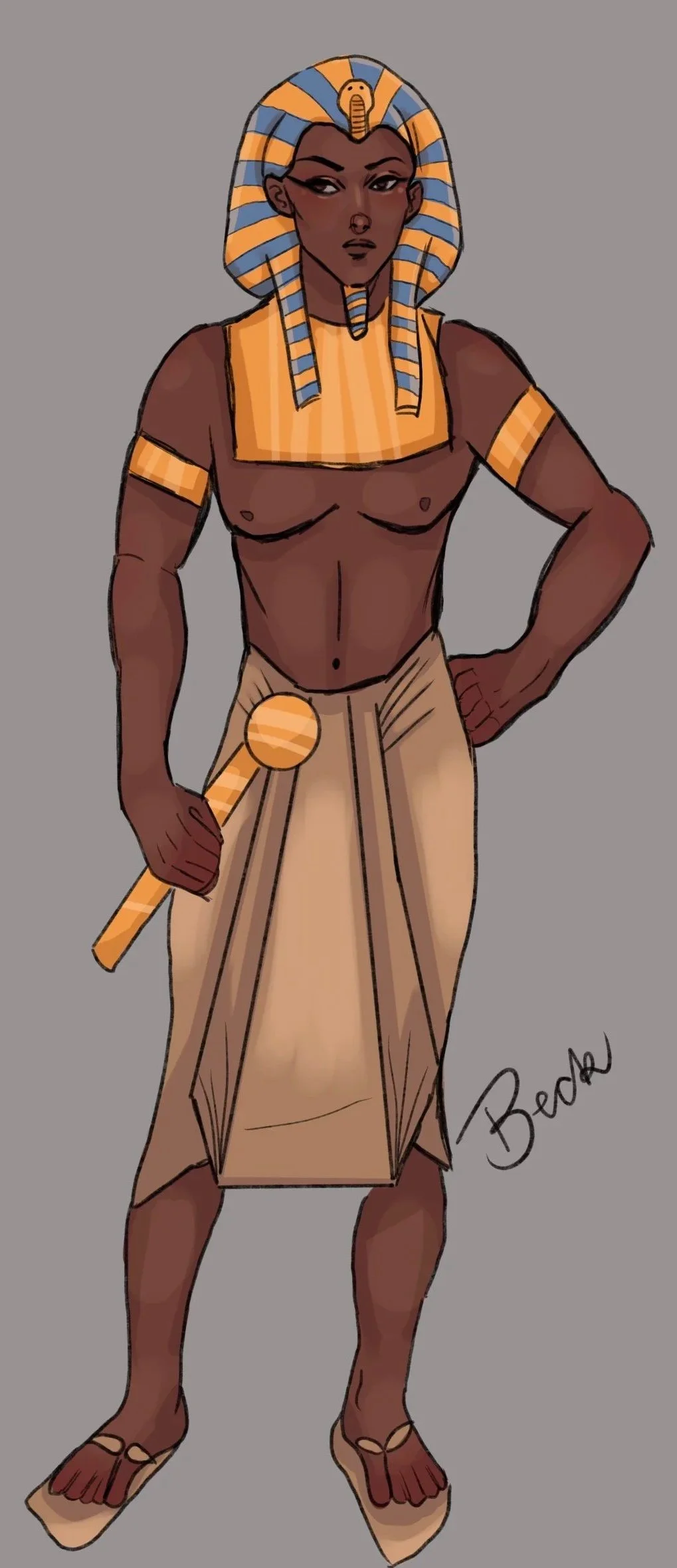
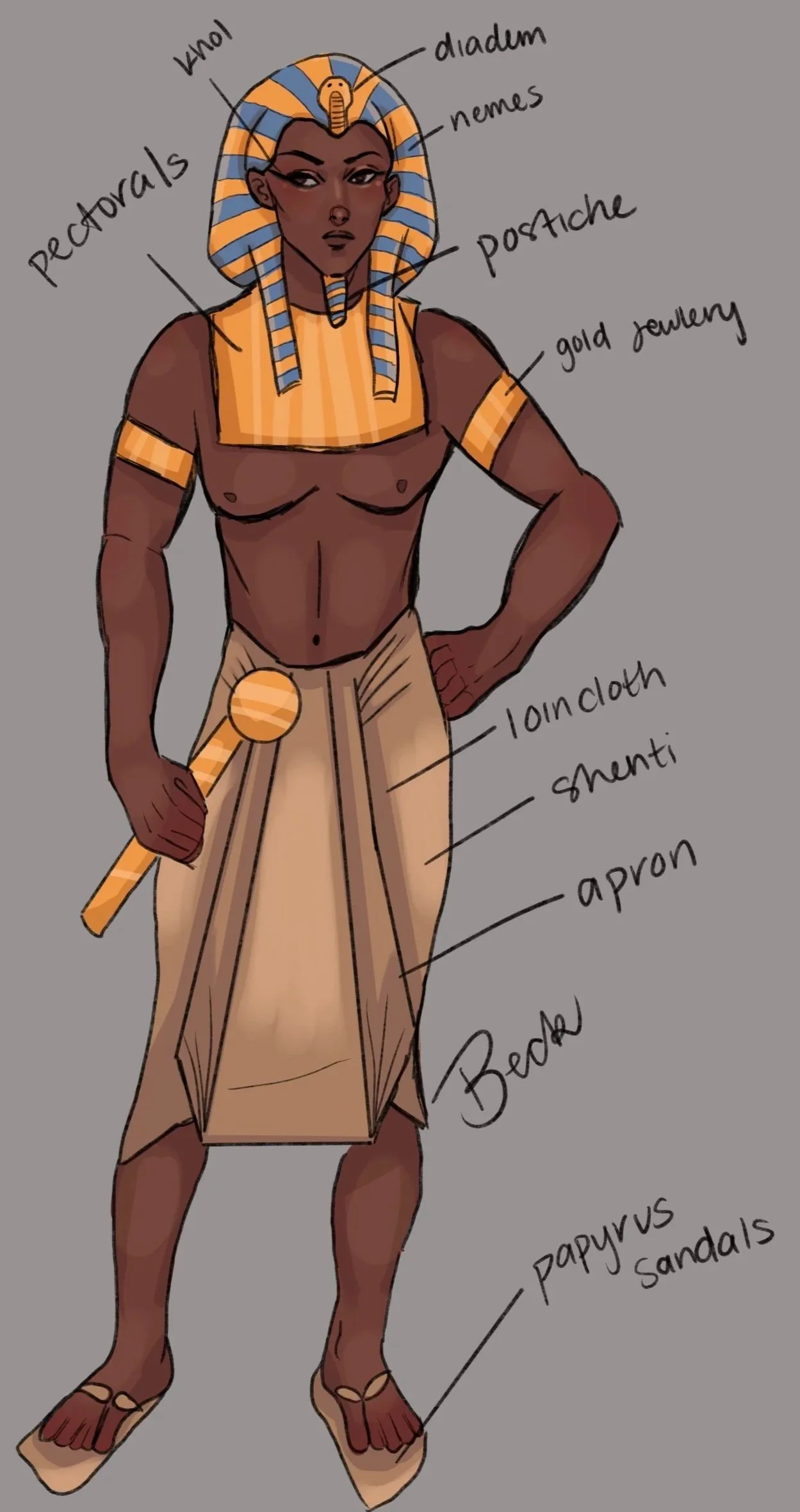
Middle Kingdom Pharoah Man (2134- 1786 BCE)
Primary Source Research:
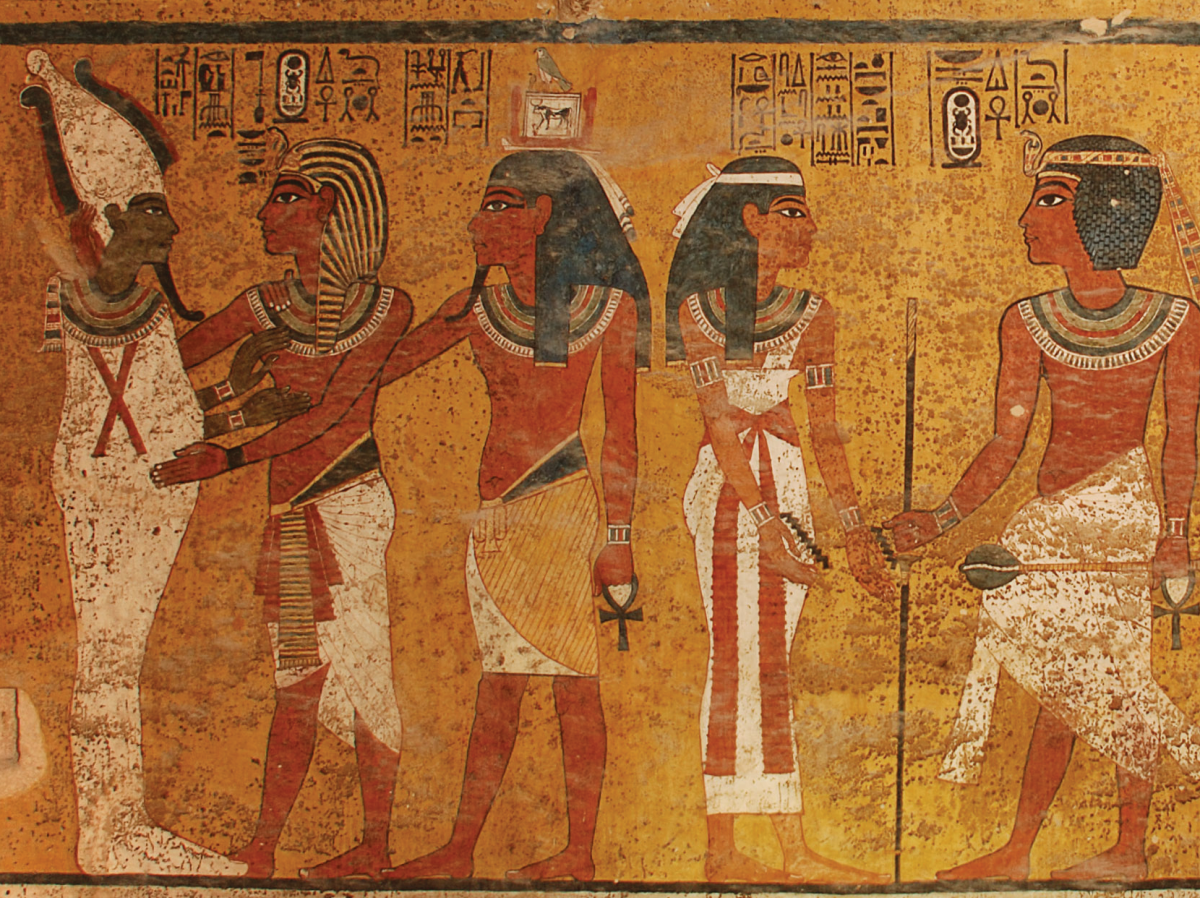
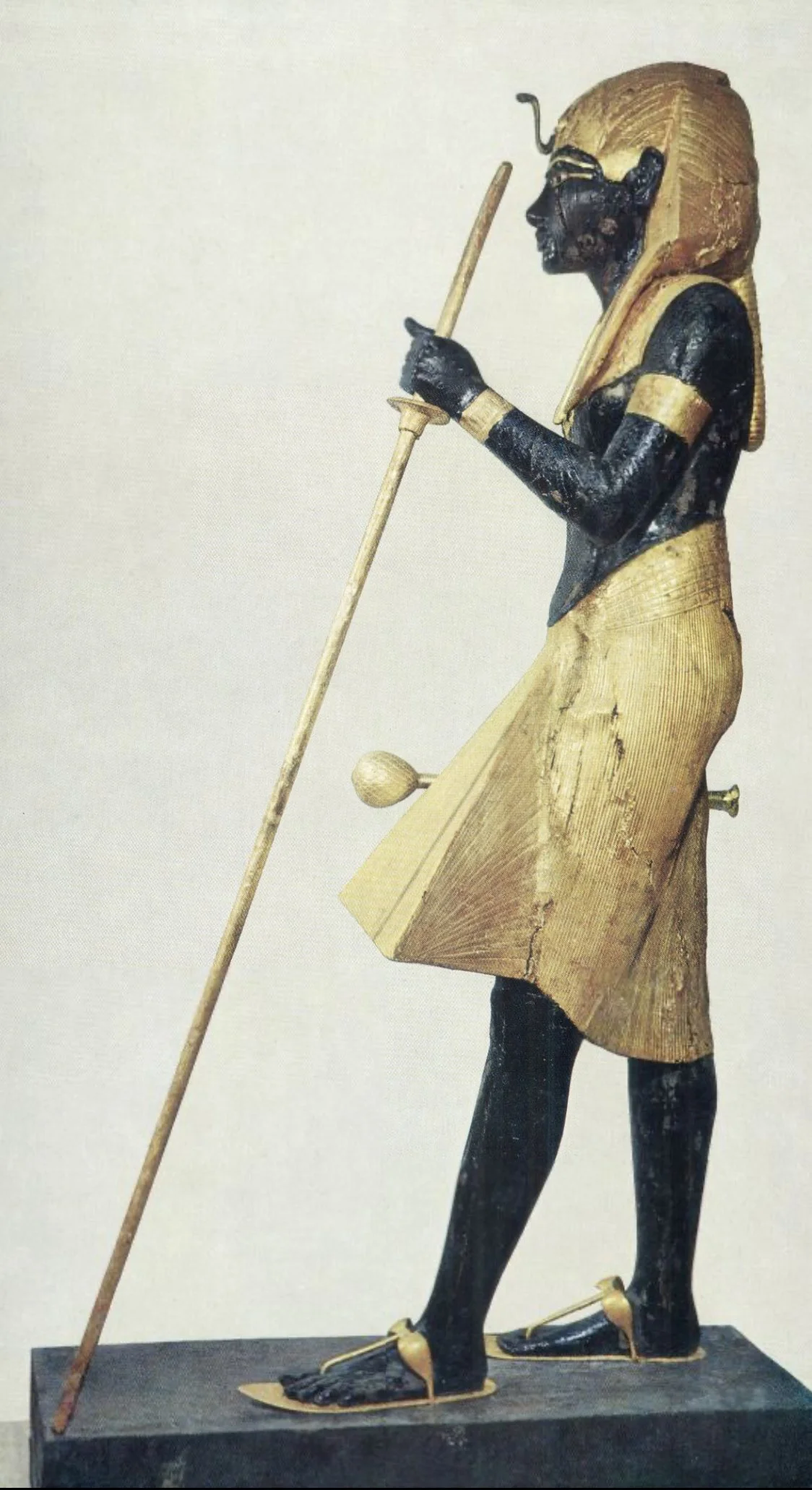
Statues (Wood, Black Resin, Bronze, and Gold; Ht. 5’8"). Cairo: Mus., Egyptian; No. 60707.; Found at Khafaje. JSTOR, https://jstor.org/stable/community.11652782. Sculpture.
2019, Minerva Sep / Oct. “The Golden Pharaoh - the Story of the Ancient Egyptian Boy-King.” Minerva Magazine, Minerva Magazine, 4 Nov. 2021, minervamagazine.com/the-golden-pharaoh.
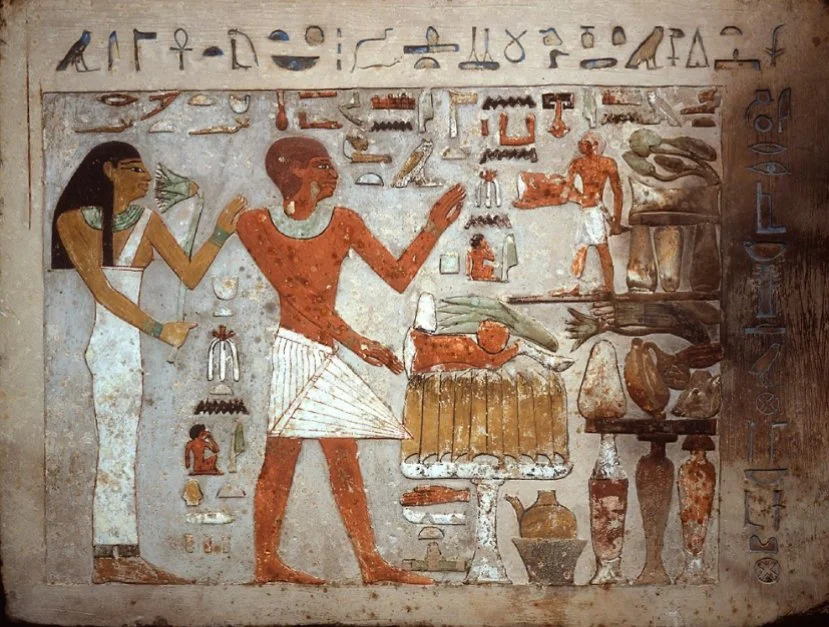
Egyptian. Wall Fragment from the Tomb of Amenemhet and His Wife Hemet. Middle Kingdom, Dynasty 12, c. 1991-1784 B.C., The Art Institute of Chicago, Museum Purchase Fund; Chicago, Illinois, USA; 1920.262; http://www.artic.edu/aic/. JSTOR, https://jstor.org/stable/community.15022362. Limestone, pigment.
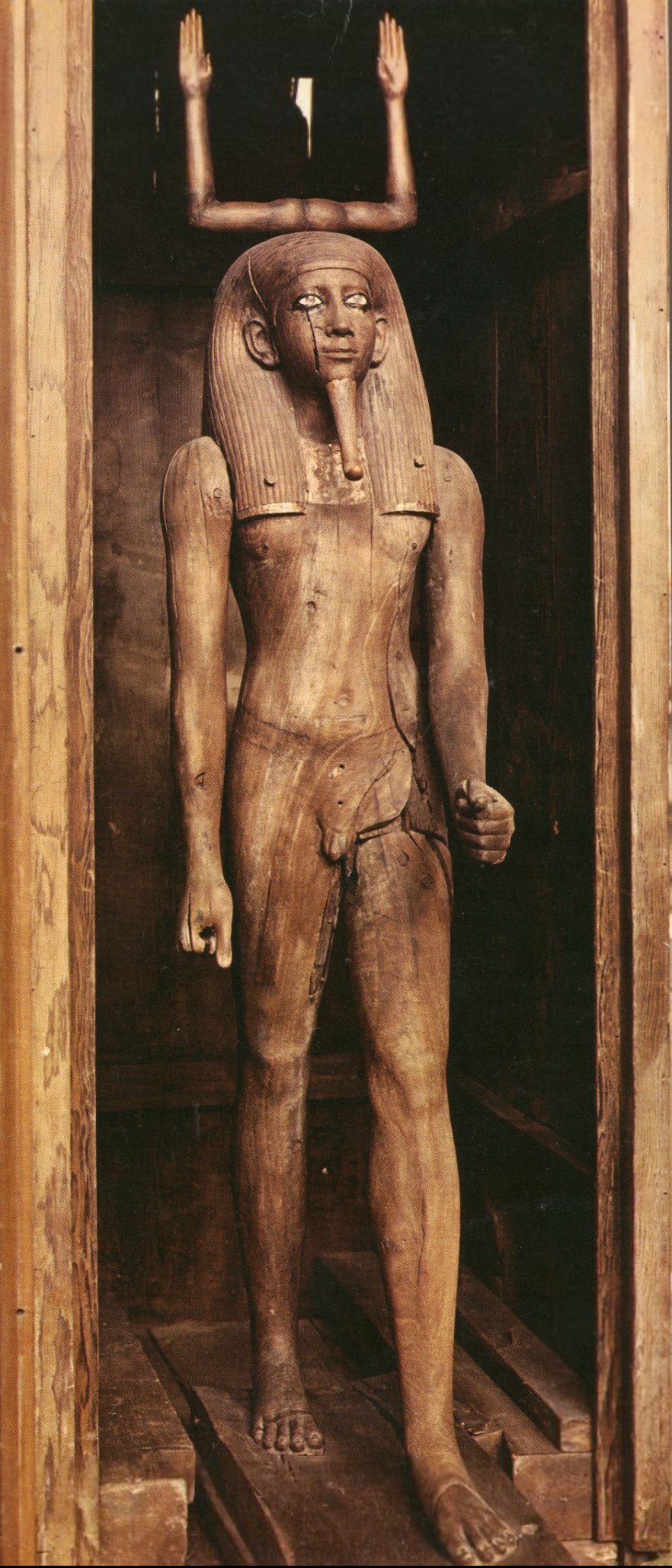
Unknown. Ka-Statue of King Hor. Circa 1700 BCE, Egyptian Museum, no. 259, Cairo, Egypt; Dashur, Egypt. JSTOR, https://jstor.org/stable/community.11652147. Sculpture: wood, originally covered with painted stucco; details of gilt, cloth, and inlaid stone.
Greece
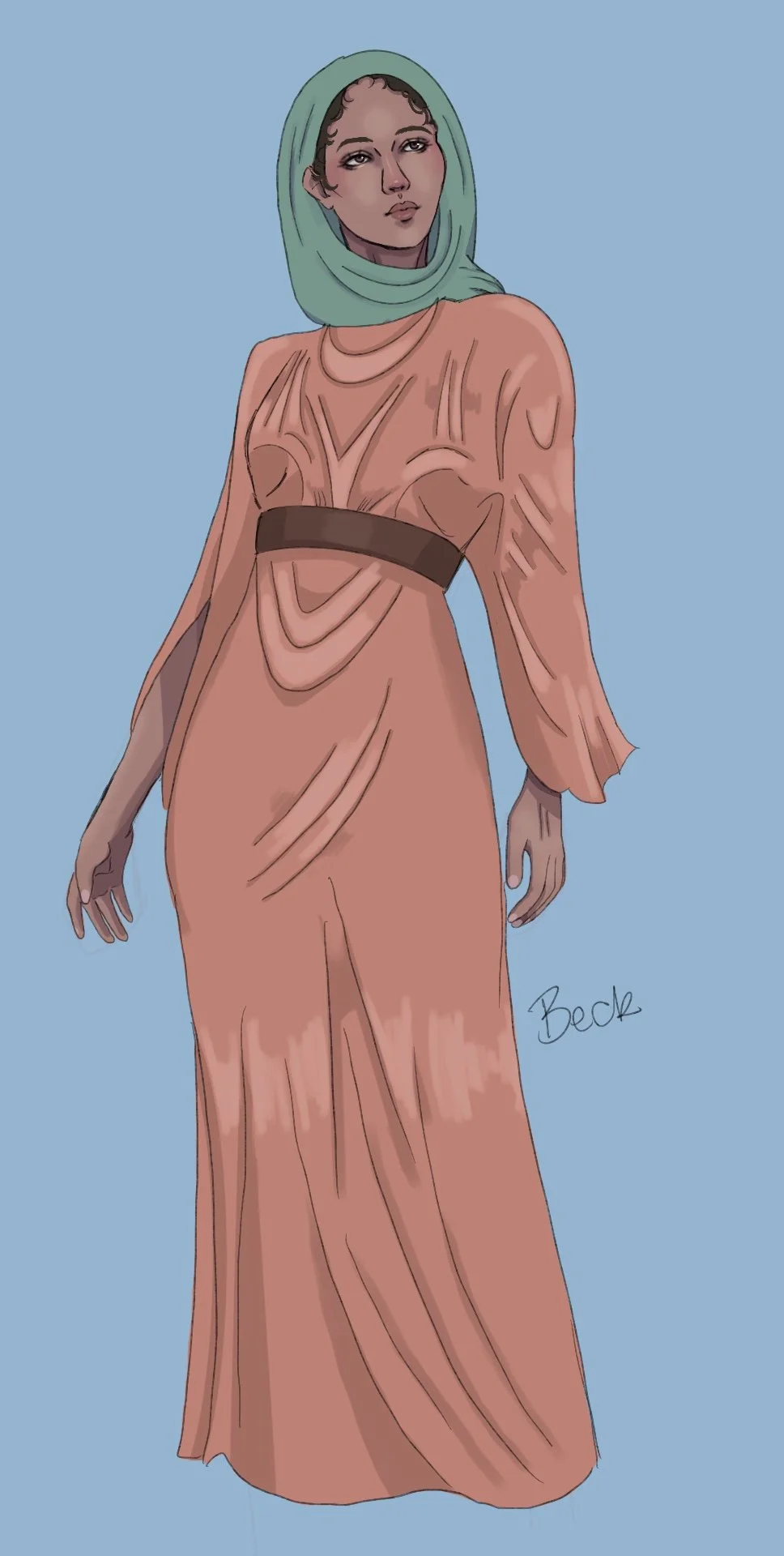
Hellenistic Period Greek Woman (323-146 BCE)
Primary Source Research:
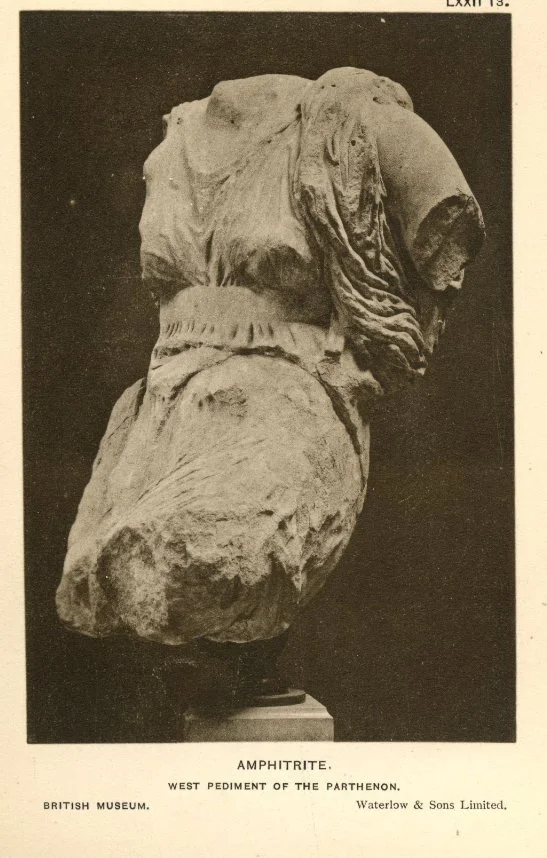
Phidias. The Parthenon Sculptures. West Pediment. Seated Female Figure (Identified as Amphitrite). 438 - 432 BCE, Ancient Sculpture Postcard Collection. Johns Hopkins Digital Collections. JSTOR, https://jstor.org/stable/community.42991796. Marble.
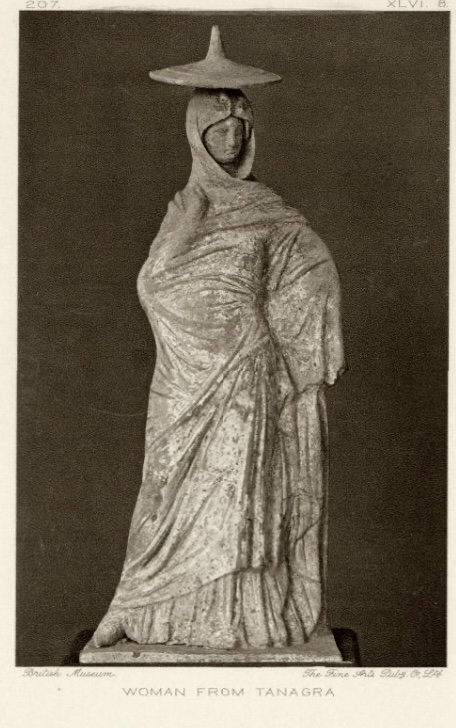
Tanagra Figure of Woman. ca. 300 - 200 BCE, Ancient Sculpture Postcard Collection. Johns Hopkins Digital Collections. JSTOR, https://jstor.org/stable/community.42991723. Terracotta.
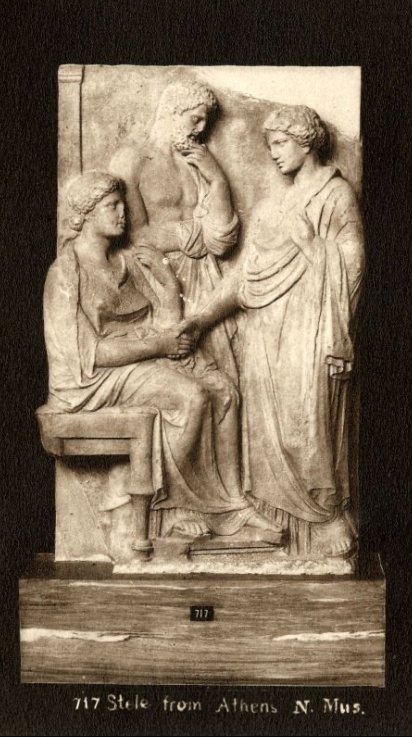
Funerary Stele with Two Women and a Bearded Man. early 4th century BCE, Ancient Sculpture Postcard Collection. Johns Hopkins Digital Collections. JSTOR, https://jstor.org/stable/community.42991639. Marble.
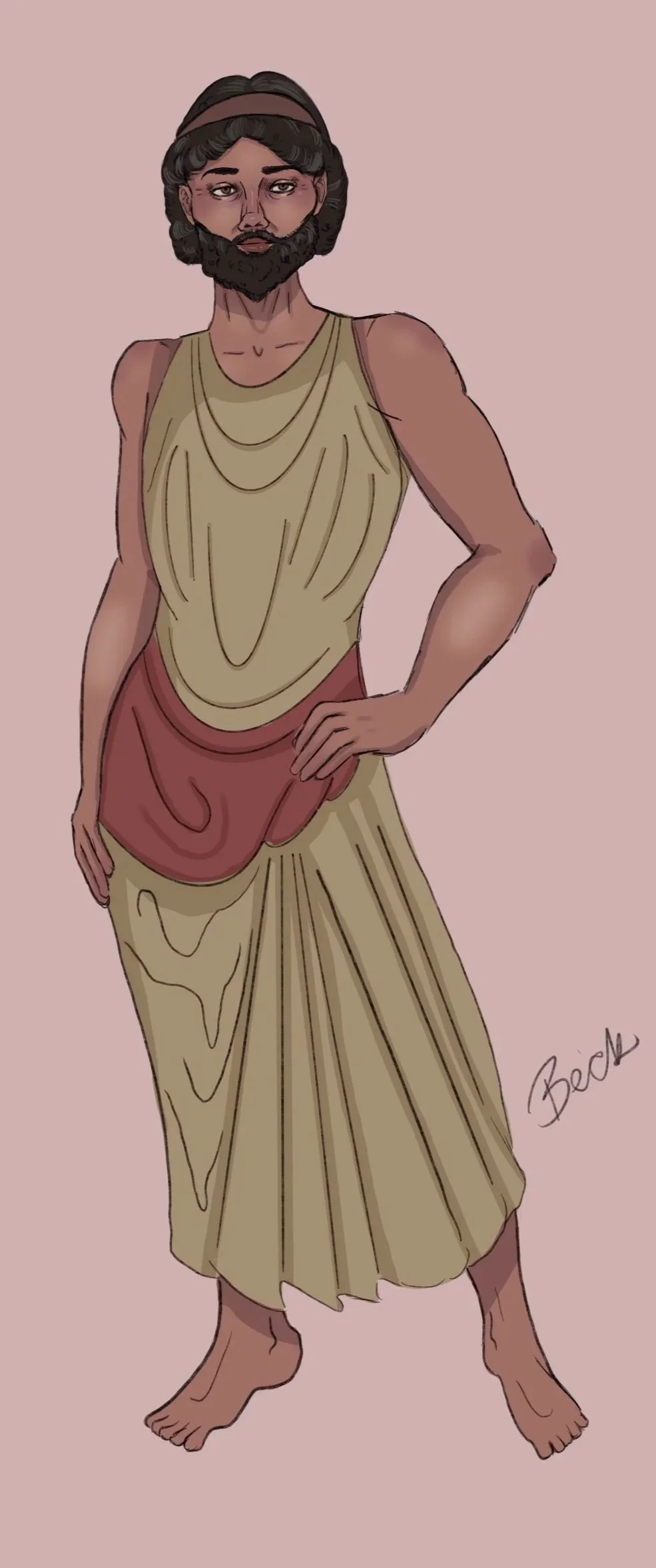
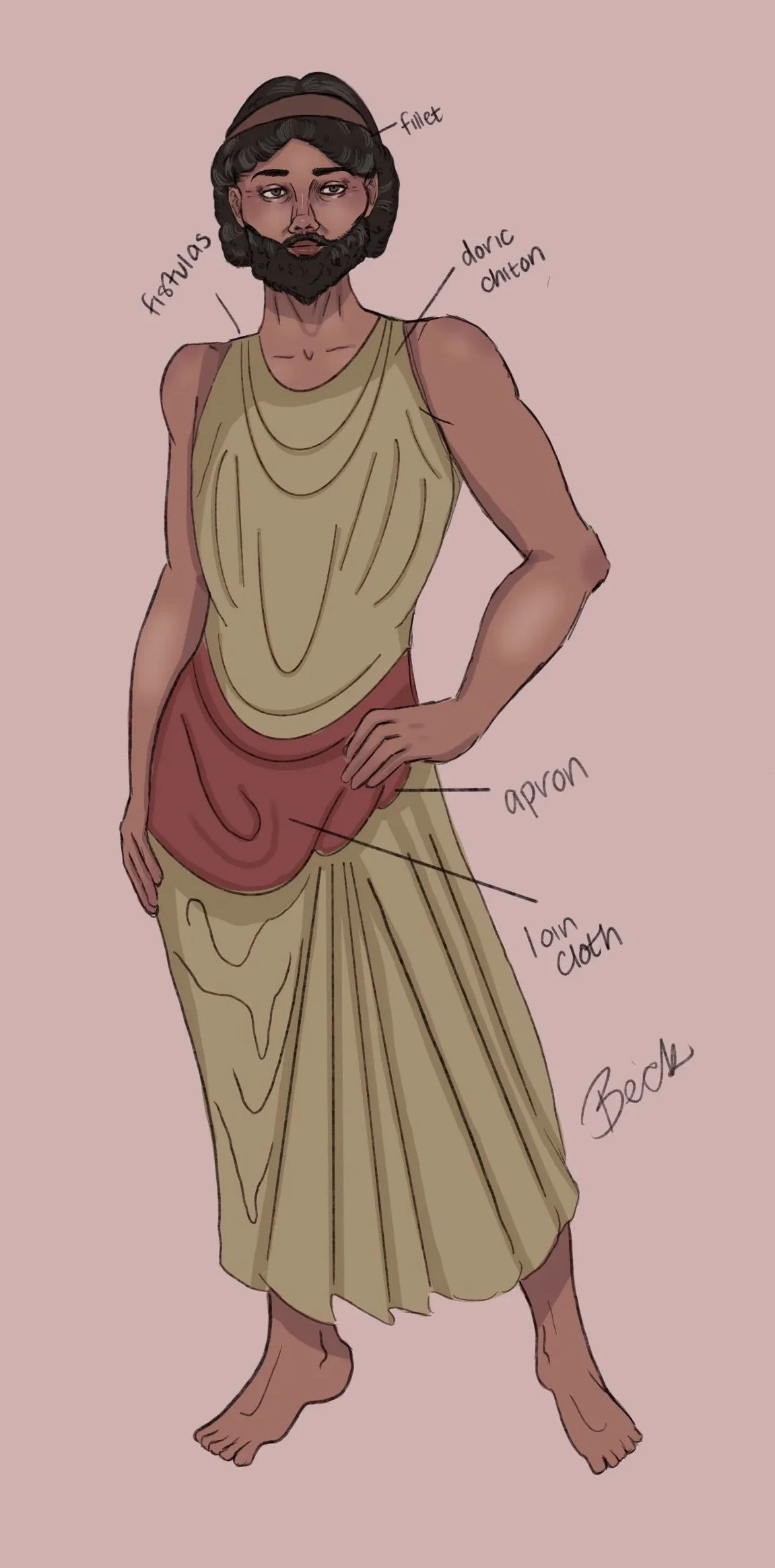
Classical Period Greek Man (500-323 BCE)
Primary Source Research:
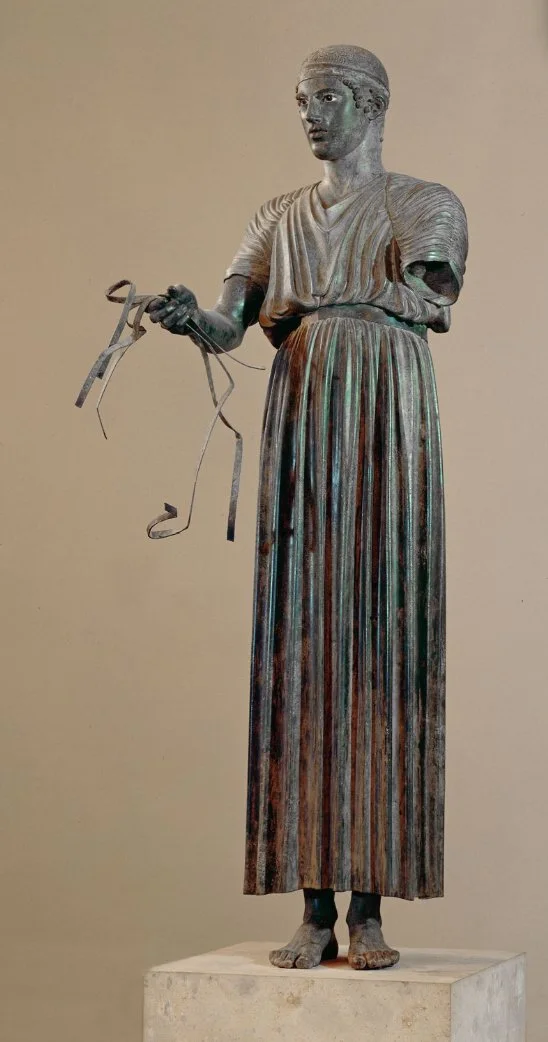
Charioteer of Delphi. 478-474 BCE, Archaeological Museum (Delphi, Greece). Erich Lessing Culture and Fine Arts Archives. Artstor. JSTOR, https://jstor.org/stable/community.18119164. Bronze.
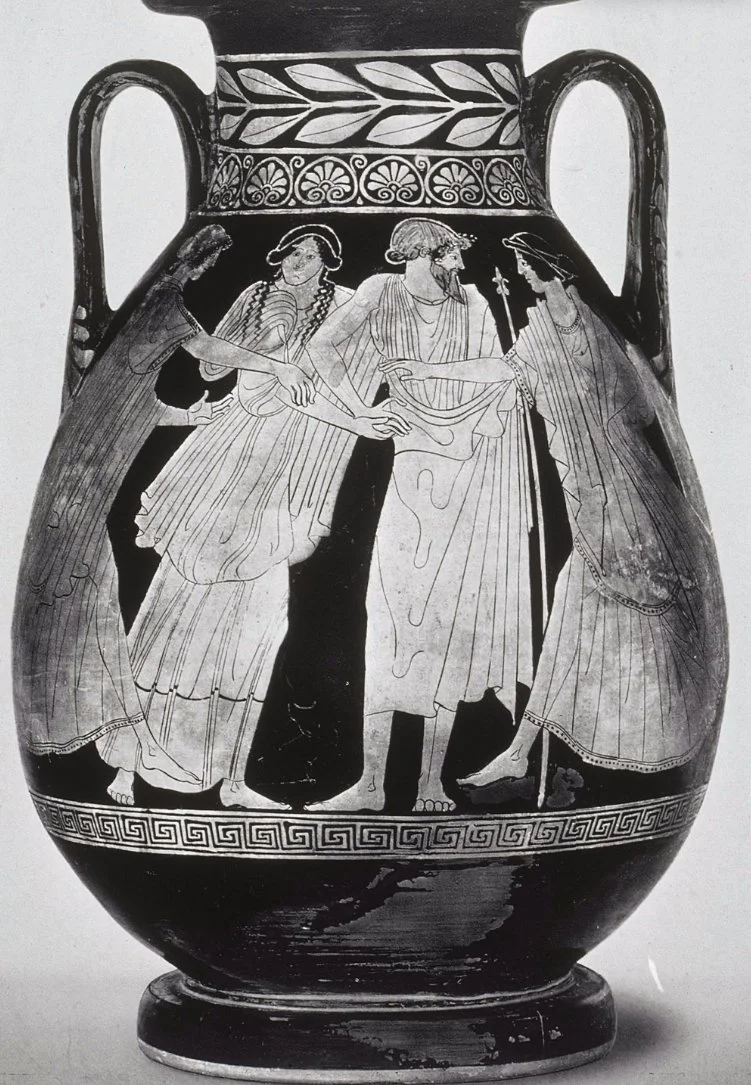
Hermonax, ca. 475-450 B.C. Pelike: Reverse- Companions of Oreithyia Flee to Her Father, Erechtheus. c.470 B.C. JSTOR, https://jstor.org/stable/community.13591405.
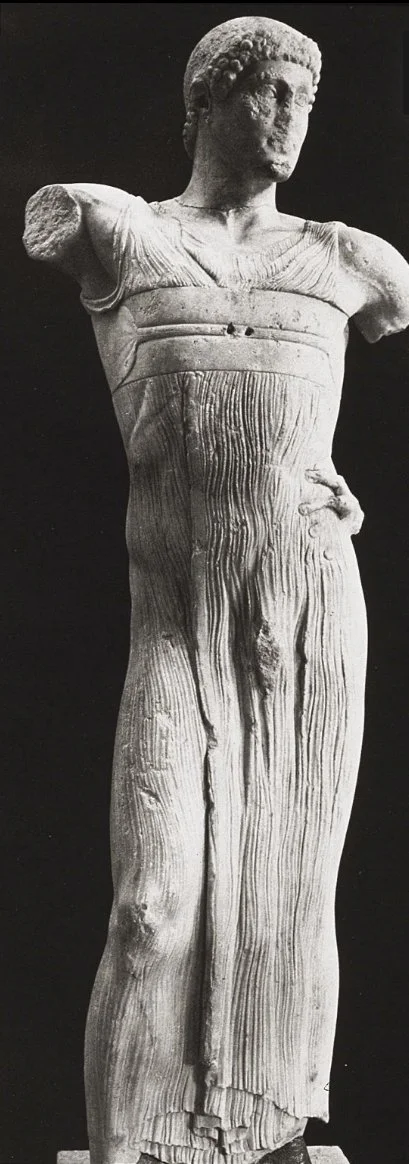
Statue of a Charioteer: Front View. c.460-50 B.C, Museo nazionale di Palermo. Visual Arts Legacy Collection. Artstor. JSTOR, https://jstor.org/stable/community.13898761. Marble.
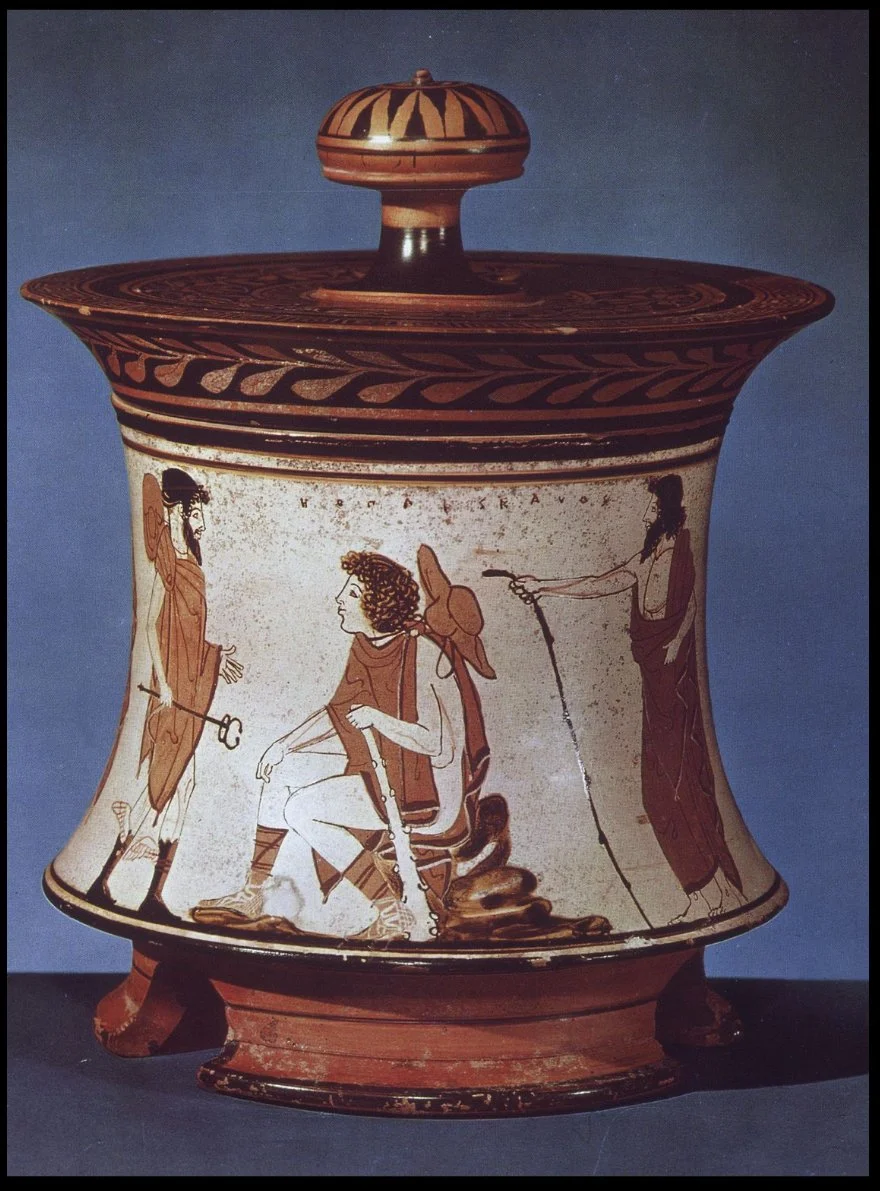
Penthesilea Painter, ca. 475-450 B.C. Pyxis: Attic White-Ground, Judgement of Paris. c.460-450 B.C. JSTOR, https://jstor.org/stable/community.13576062.
Rome
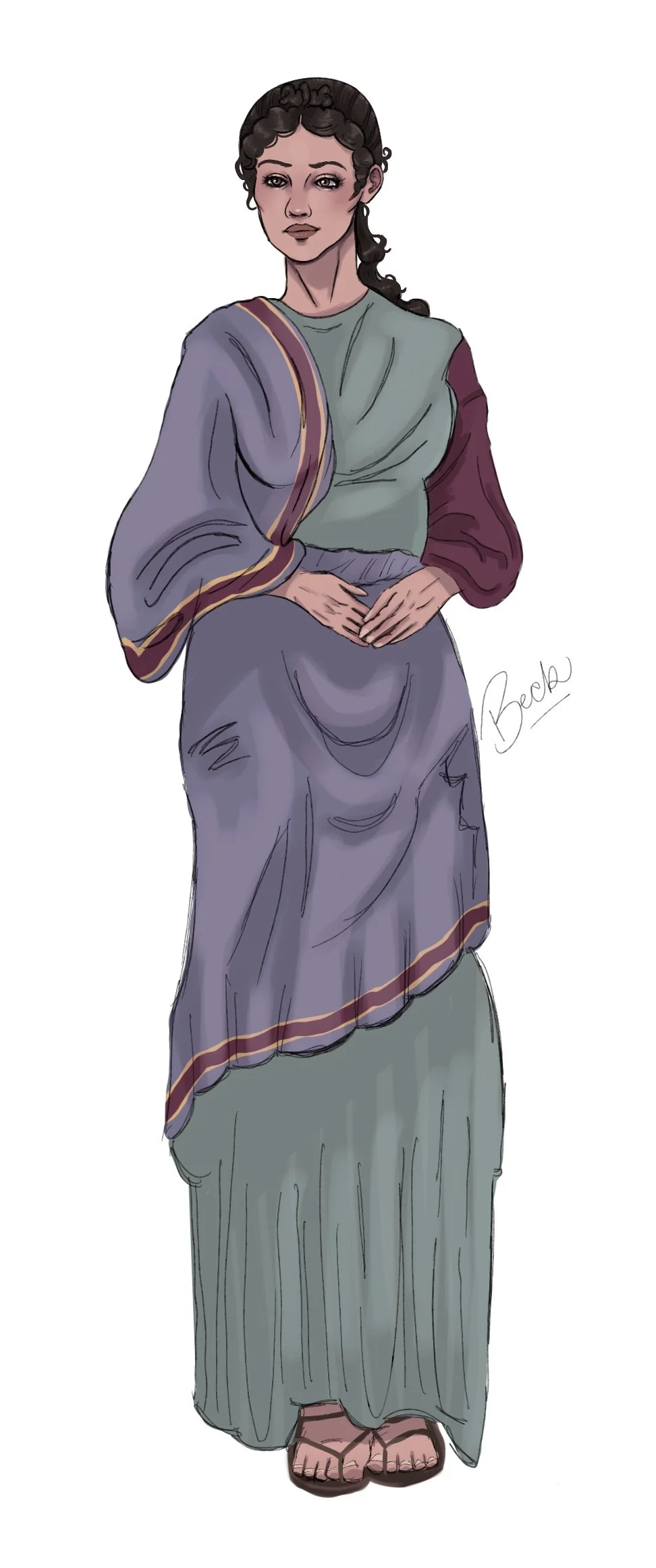
Roman Republic Woman (509-27BCE)
Primary Source Research:
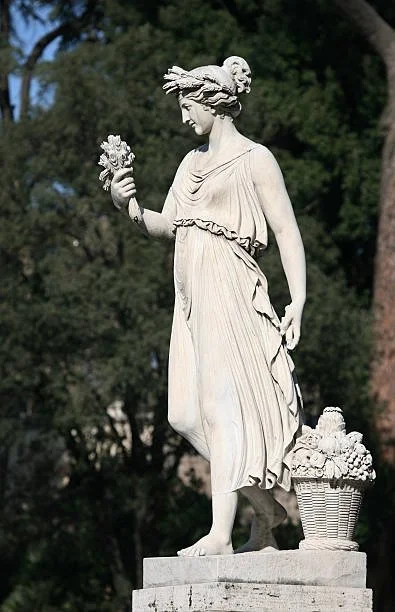
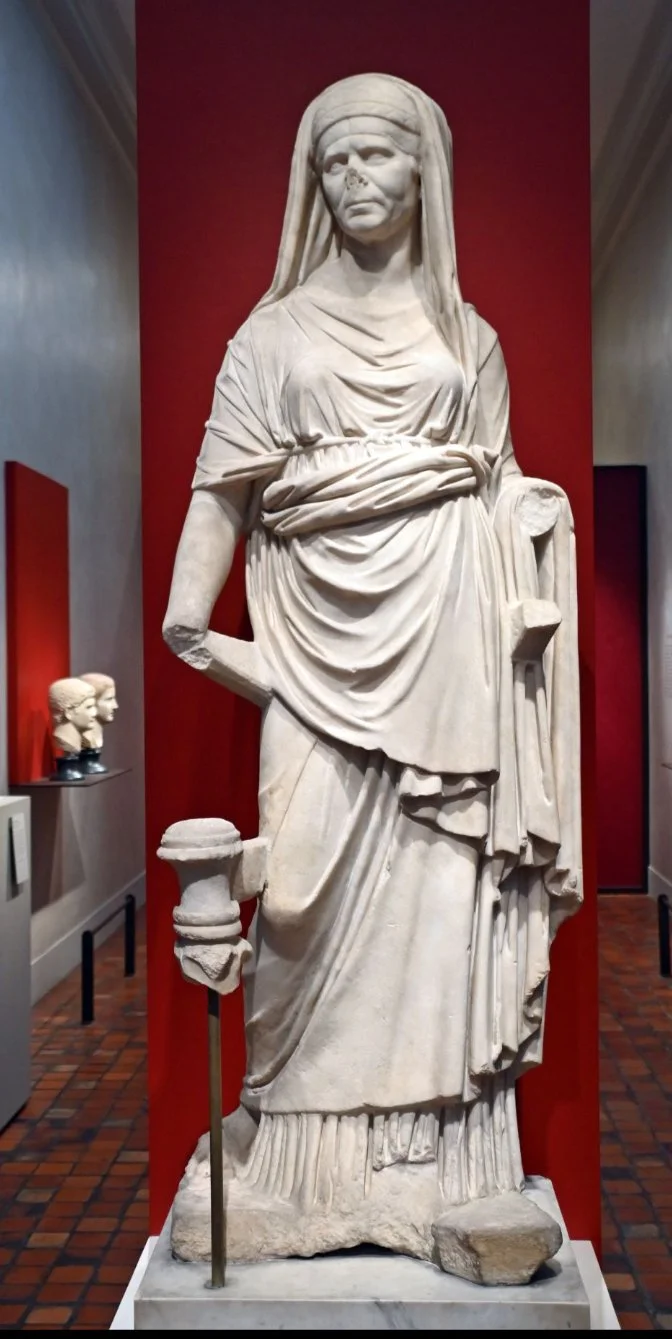
Unknown architect. Priestess Burning Incense. ca. 125-130 CE. JSTOR, https://jstor.org/stable/community.35459417. Parian marble.
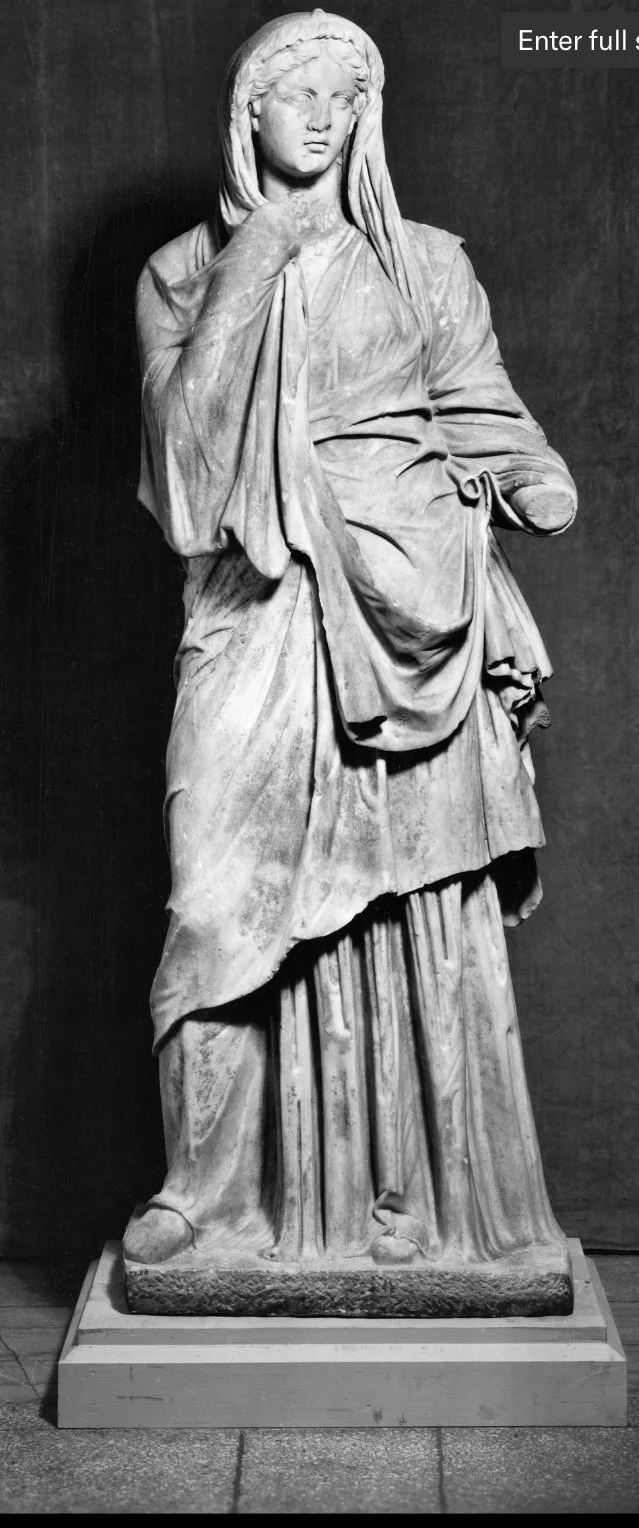
Artist: Anonymous (Roman)(?), and Artist: Anonymous (Greek)(?). Woman. 1st century BC, The Walters Art Museum; Acquired by Henry Walters with the Massarenti Collection, 1902; 23.88; Don Marcello Massarenti Collection, Rome [no. 16]; Henry Walters, Baltimore, 1902, by purchase; Walters Art Museum, 1931, by bequest.; http://thewalters.org. JSTOR, https://jstor.org/stable/community.15689517. Marble.
“3,444 Female Roman Sculpture Stock Photos and High-Res Images - Getty Images.” 3,444 Female Roman Sculpture Stock Photos and High-Res Images - Getty Images, www.gettyimages.com/photos/female-roman-sculpture.
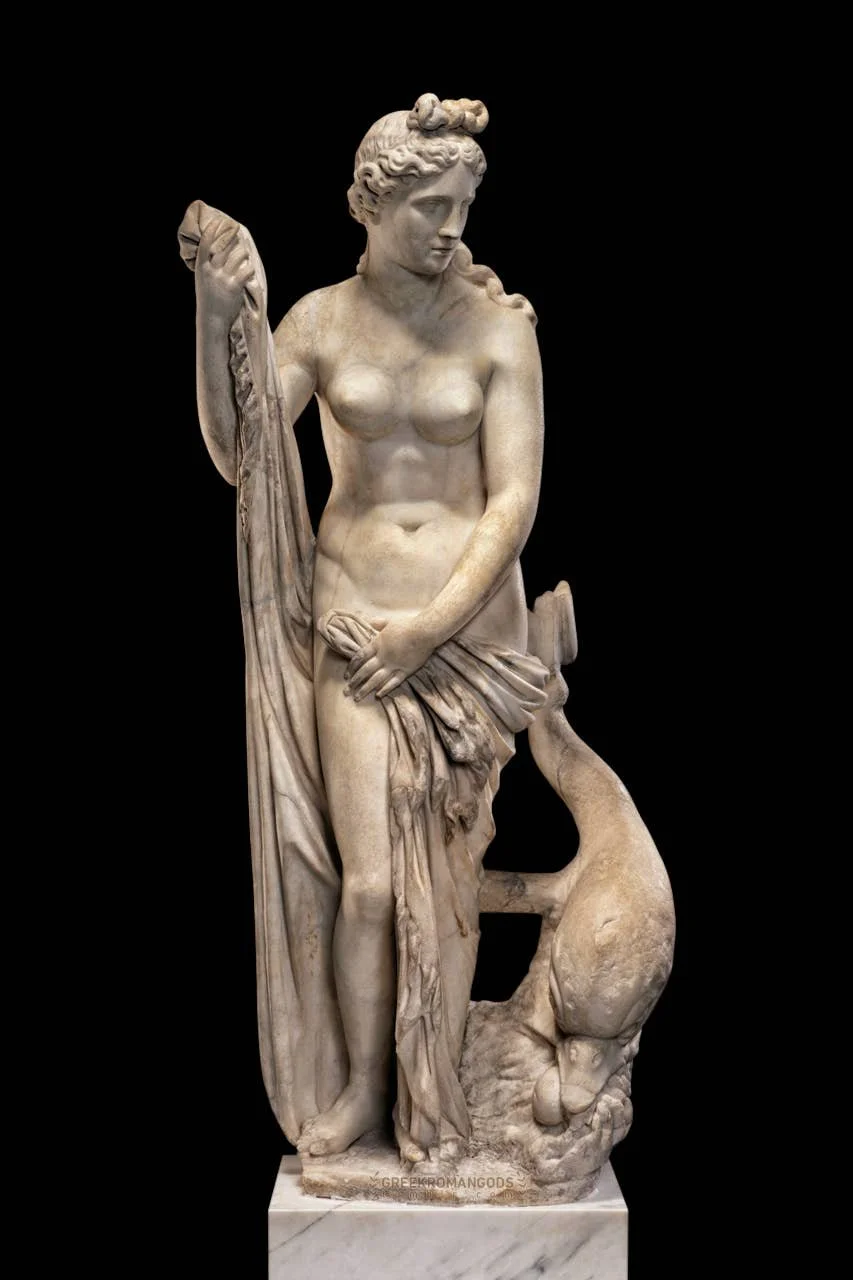
Adan, Mamerto. What Were the Beauty Standards in Ancient Rome? - Discover Hubpages, discover.hubpages.com/education/What-Were-the-Beauty-Standards-in-Ancient-Rome.
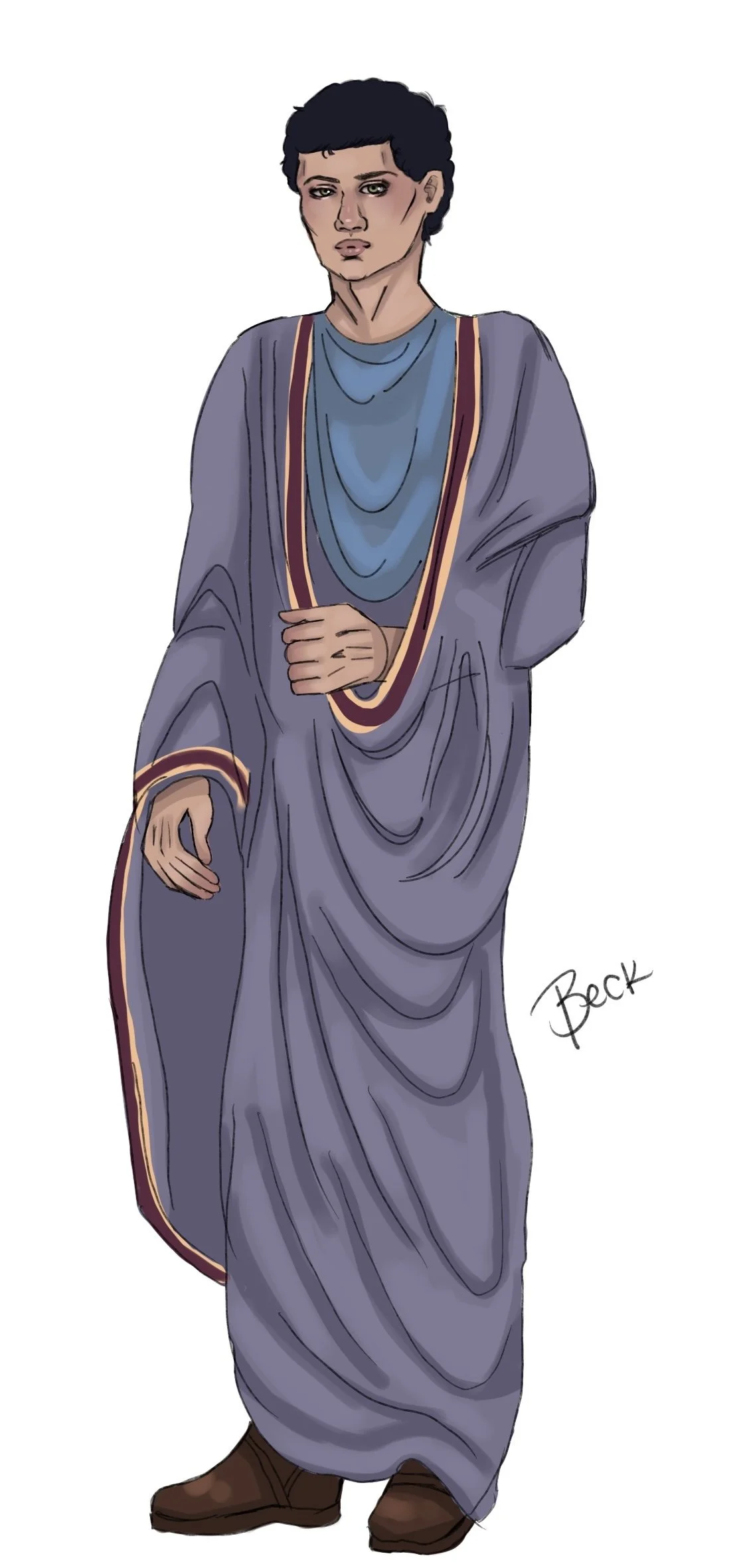
Roman Republic Man (509-27 BCE)
Primary Source Research:
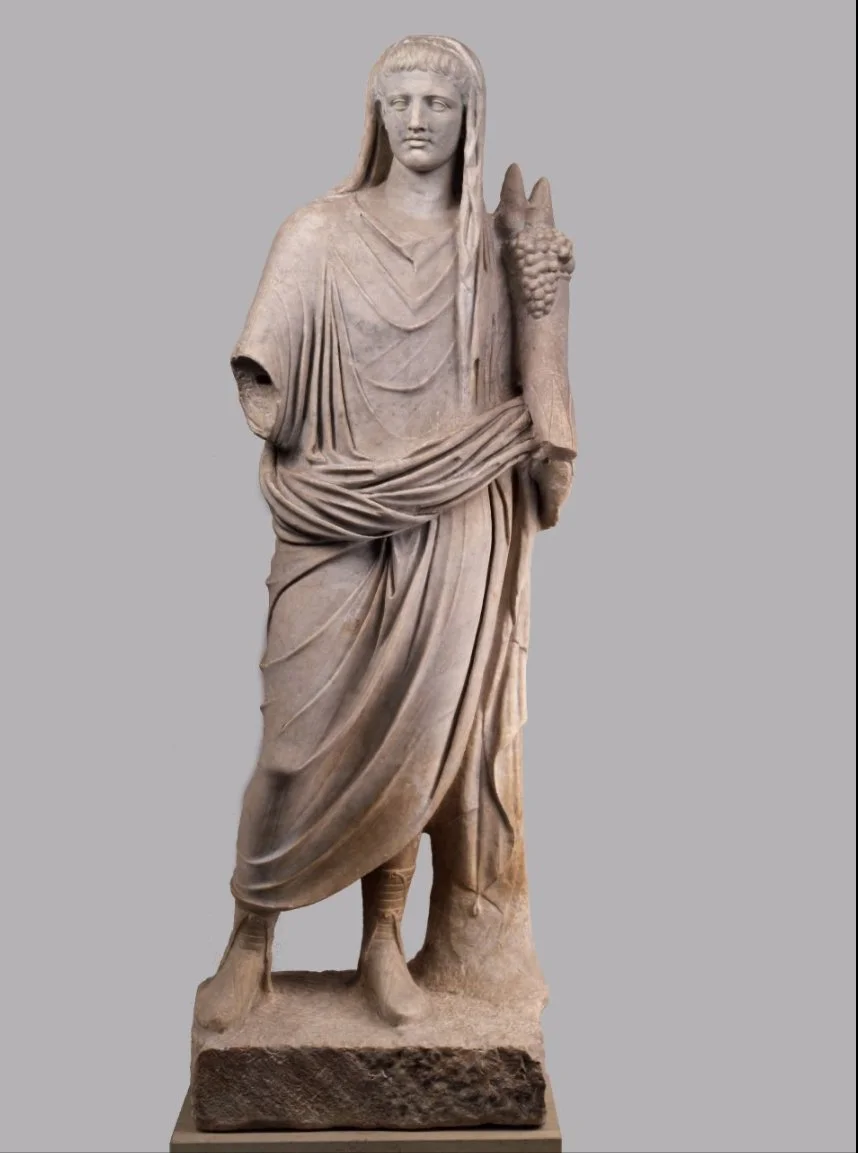
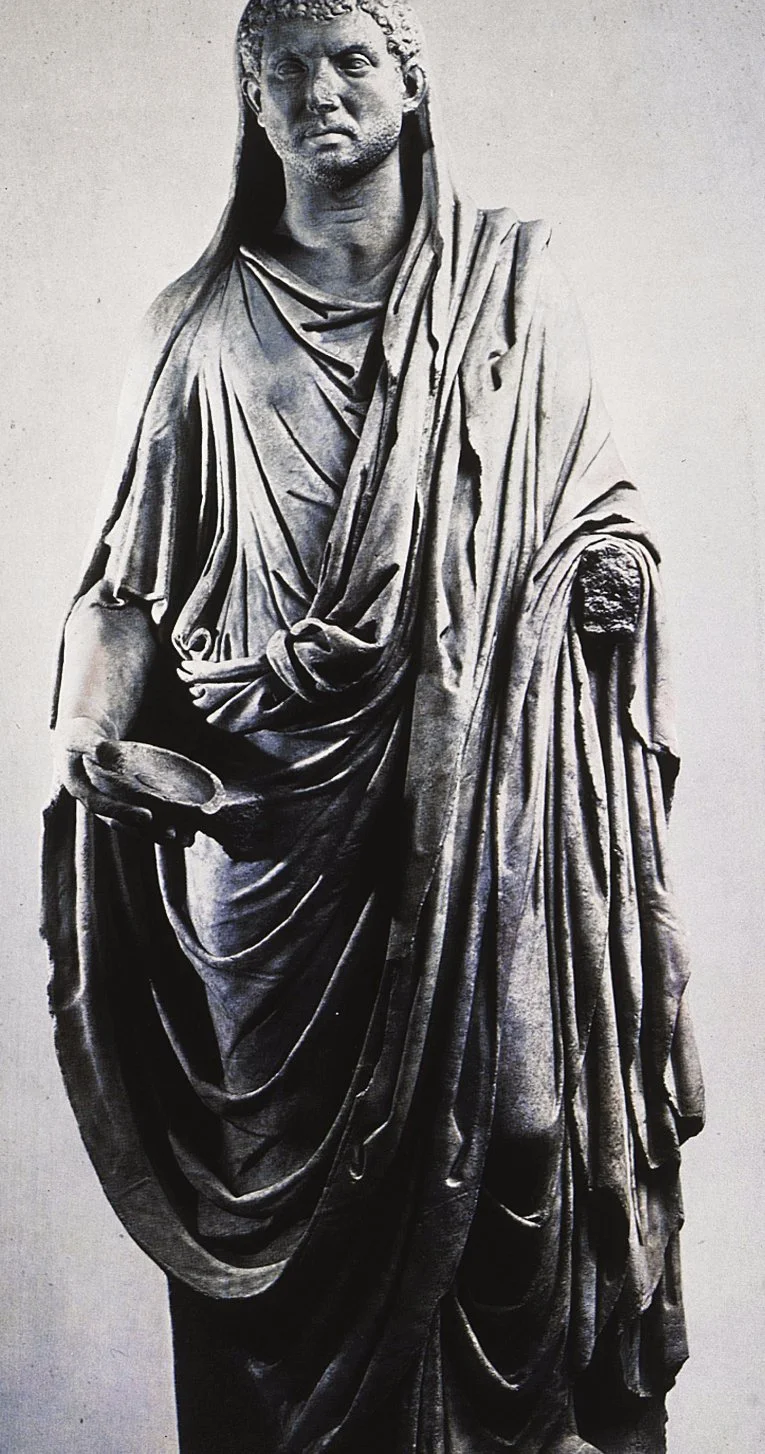
Statue of a Man (Maxentius?) Front. late 3rd/early 4th C. A.D, Italy. Soprintendenza archeologica di Ostia. JSTOR, https://jstor.org/stable/community.13588166. Marble.
Genius of a Roman Emperor. late 1st century BCE-early 1st century CE, Staatliche Museen zu Berlin--Preussischer Kulturbesitz. Antikensammlung; Provenance: Found in 1874 at Pozzuoli near the bridge built by Caligula. Acquired 1875.; http://www.smb.museum/smb/home/index.php?lang=de. JSTOR, https://jstor.org/stable/community.15736524. Marble.
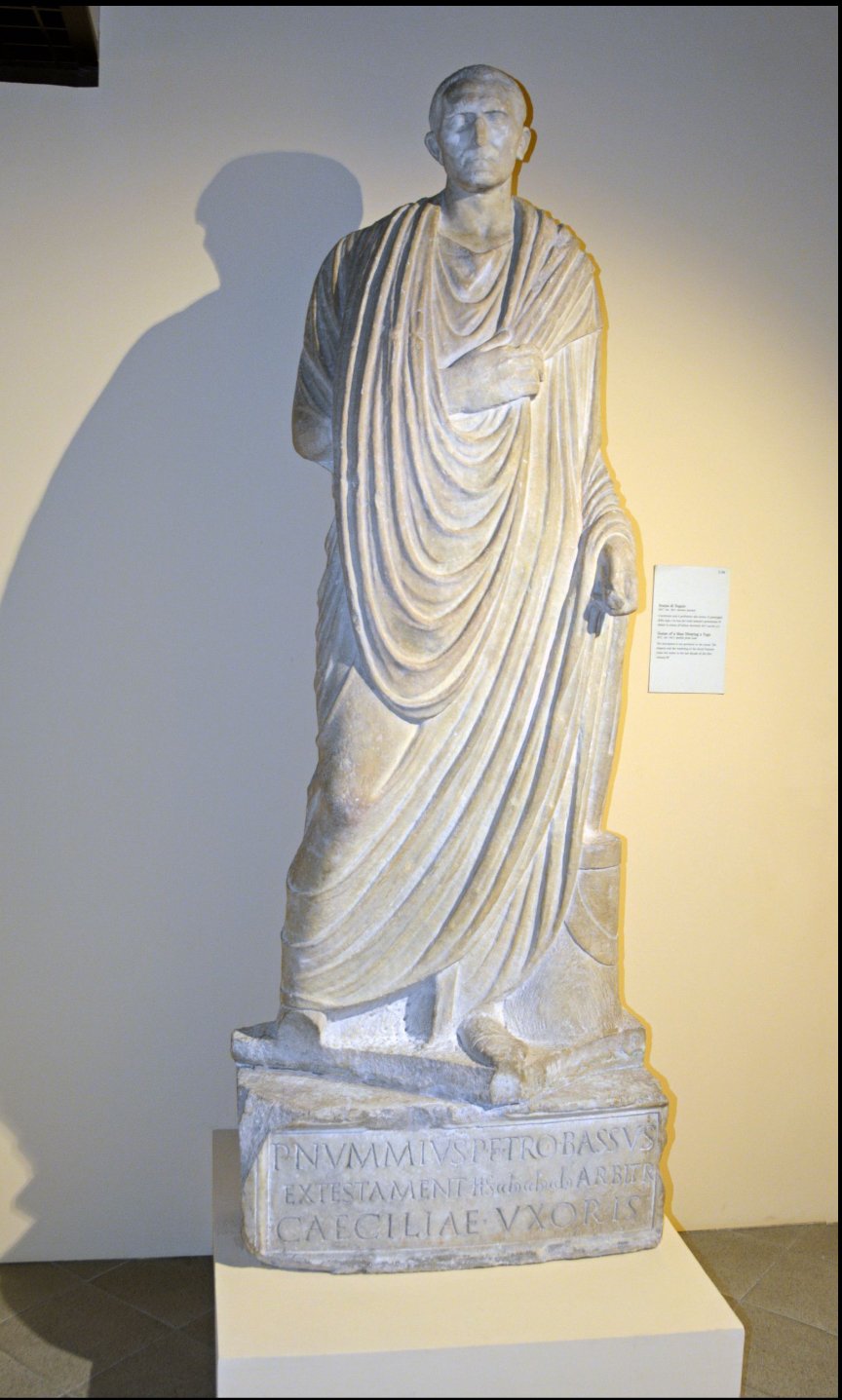
Unknown Creator. Statue of Man Wearing Toga. last decade of 1st century BCE. JSTOR, https://jstor.org/stable/community.25349221. Luni marble.
Byzantine Empire
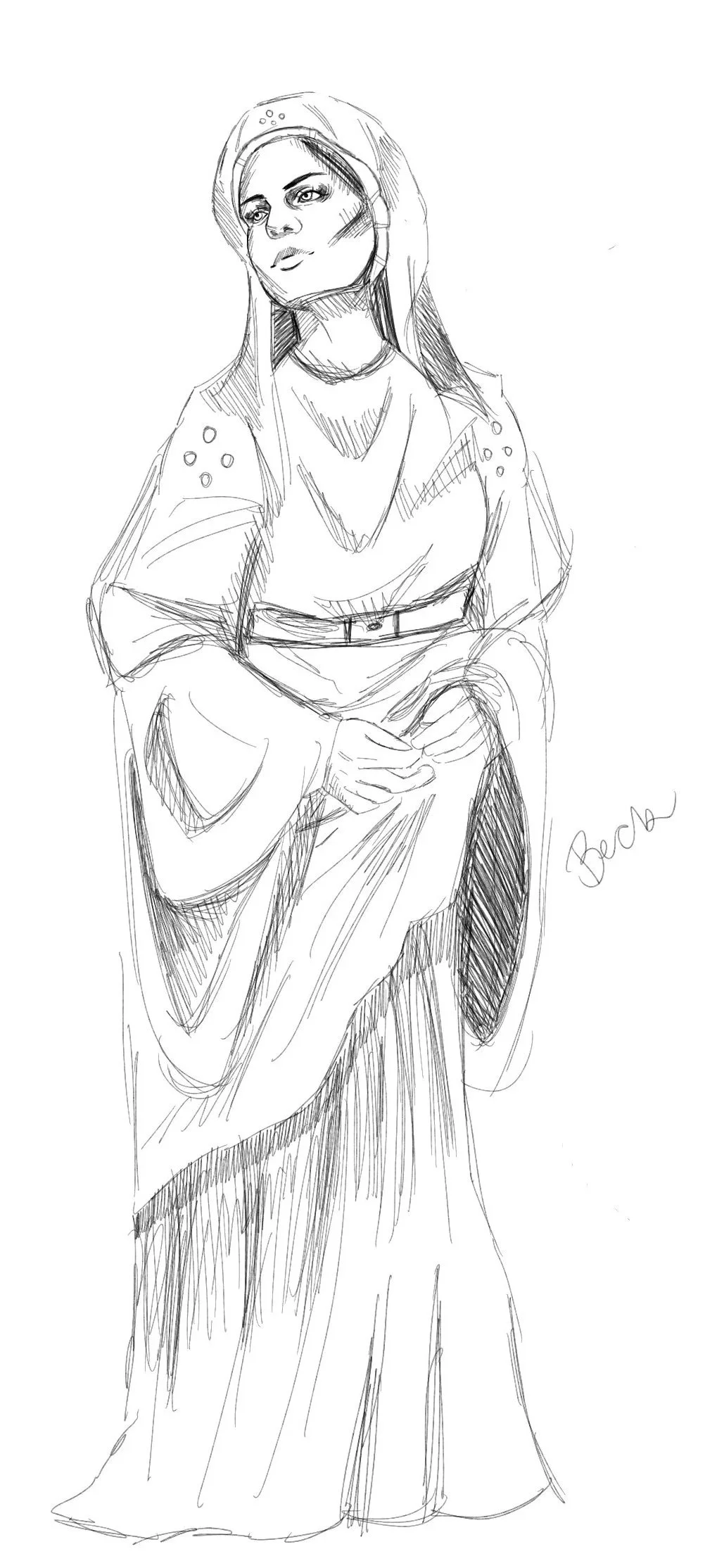
Middle Ages Woman (300-1500CE)
Primary Source Research:
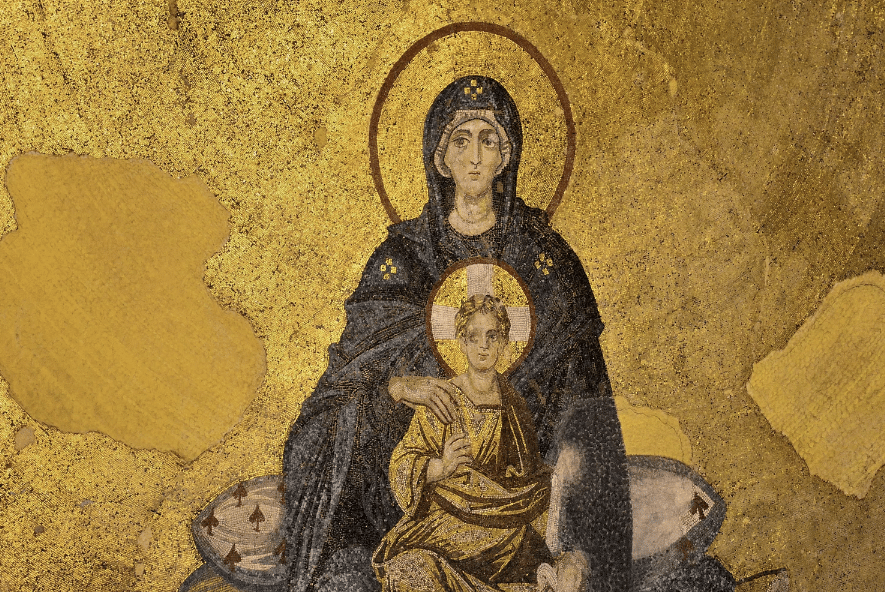
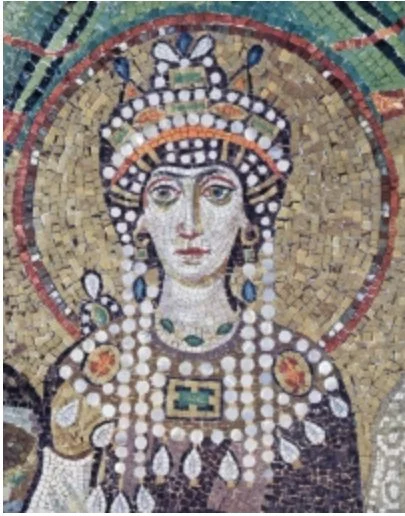
Wall. 525-547., Ravenna: Church, S. Vitale; Apse.; Portrait models for the empress and her retinue are thought to have been supplied from Constantinople. JSTOR, https://jstor.org/stable/community.11660038. Mosaic.
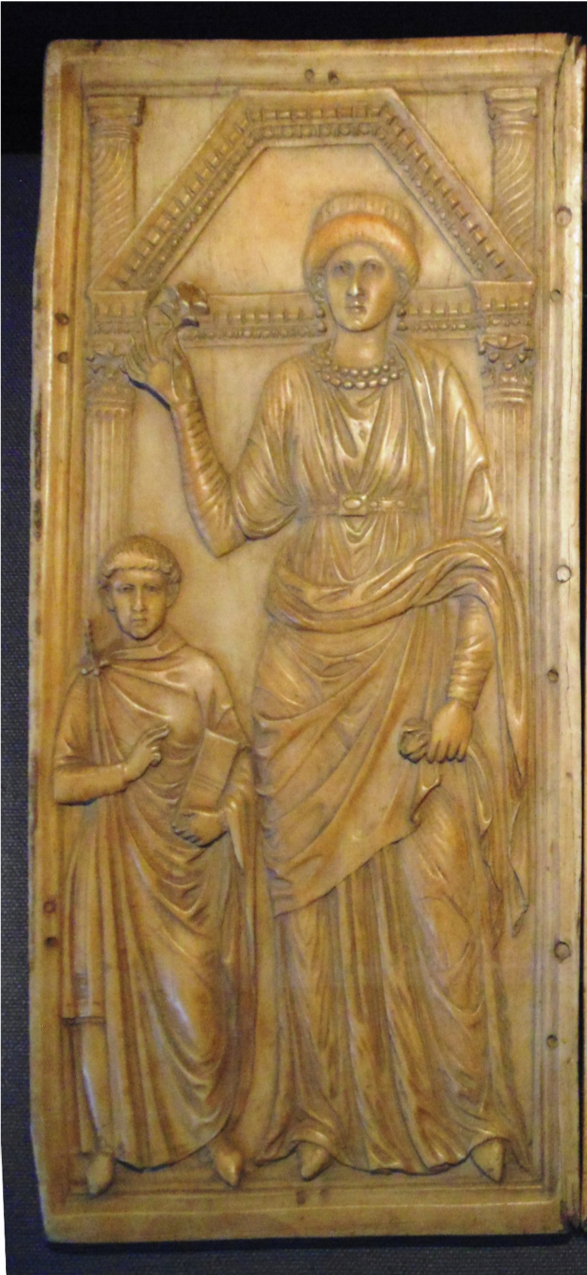
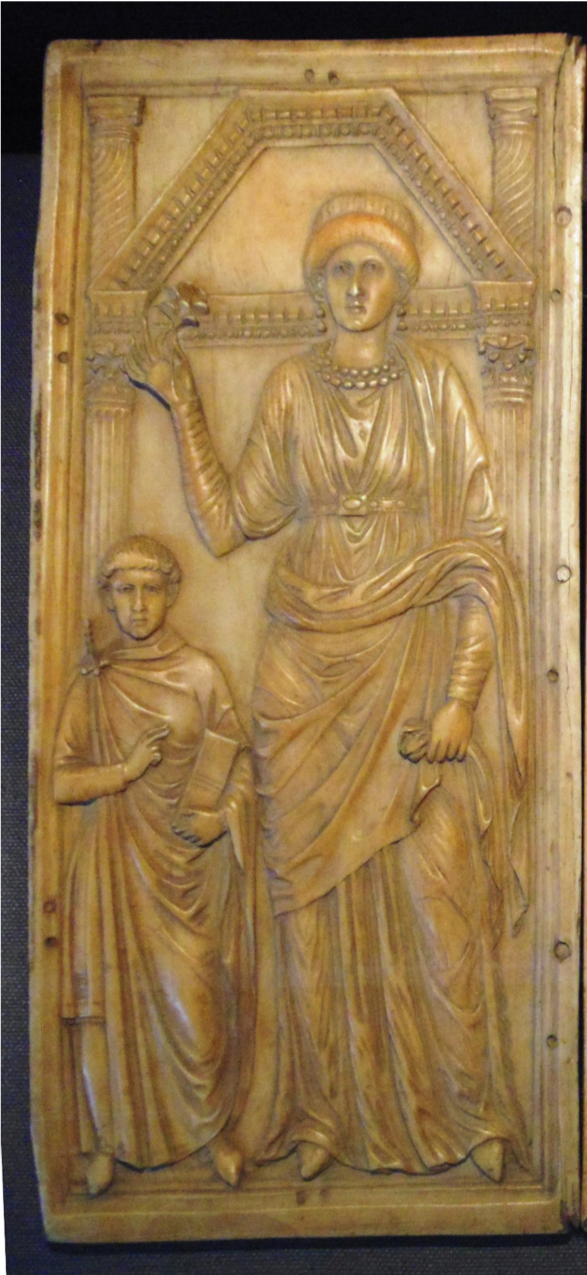
Kampouris, Nick. “The Magnificent Mosaics of Hagia Sophia That Survive to This Day.” GreekReporter.Com, 12 Apr. 2026, greekreporter.com/2026/04/13/magnificent-mosaics-hagia-sophia-survive-day/.
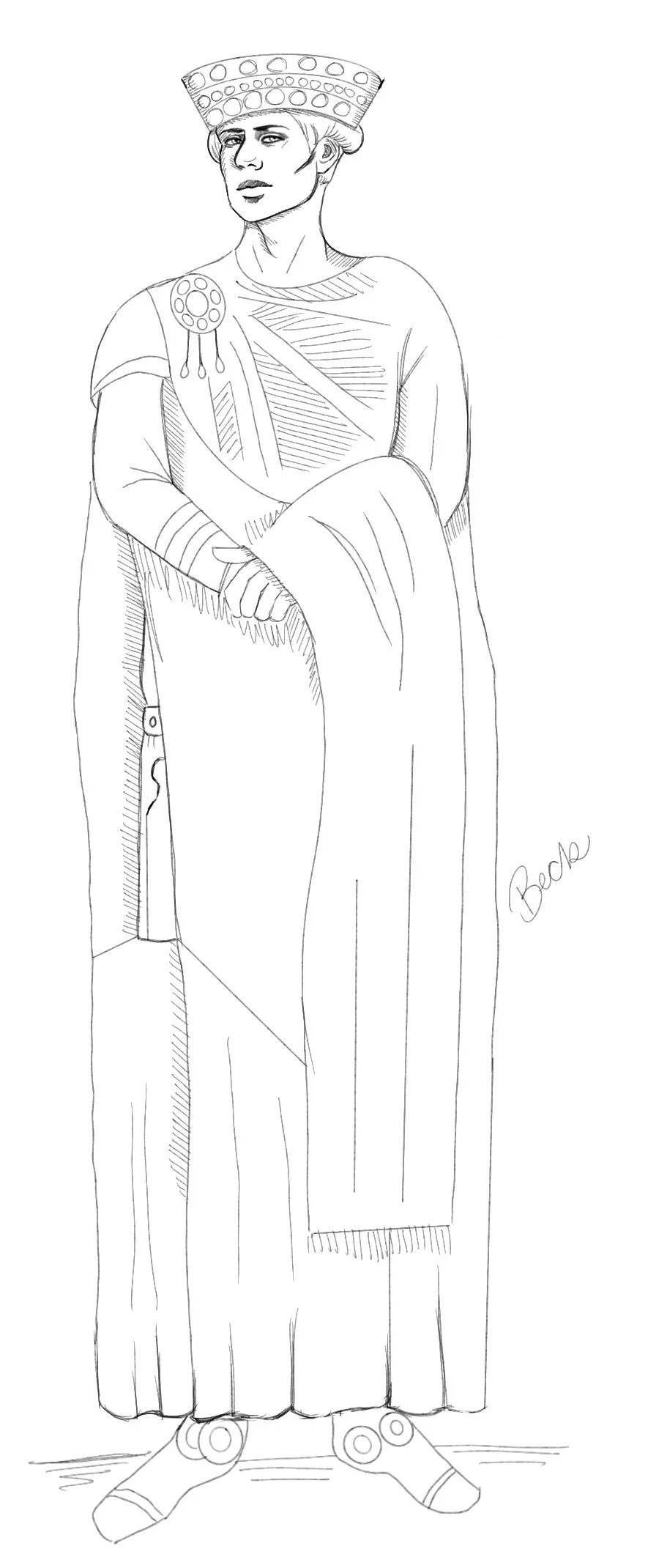
Middle Ages Man (300-1500CE)
Primary Source Research:
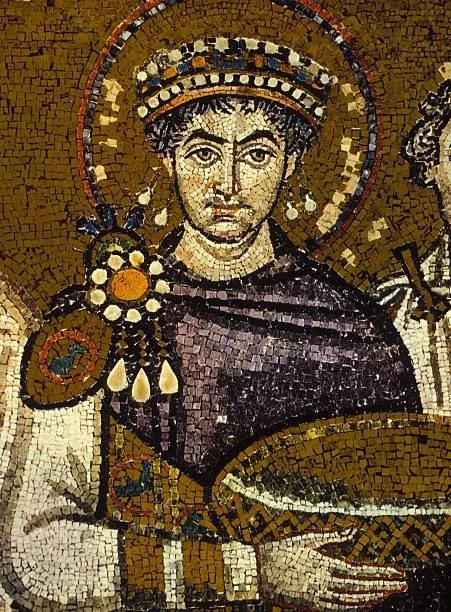
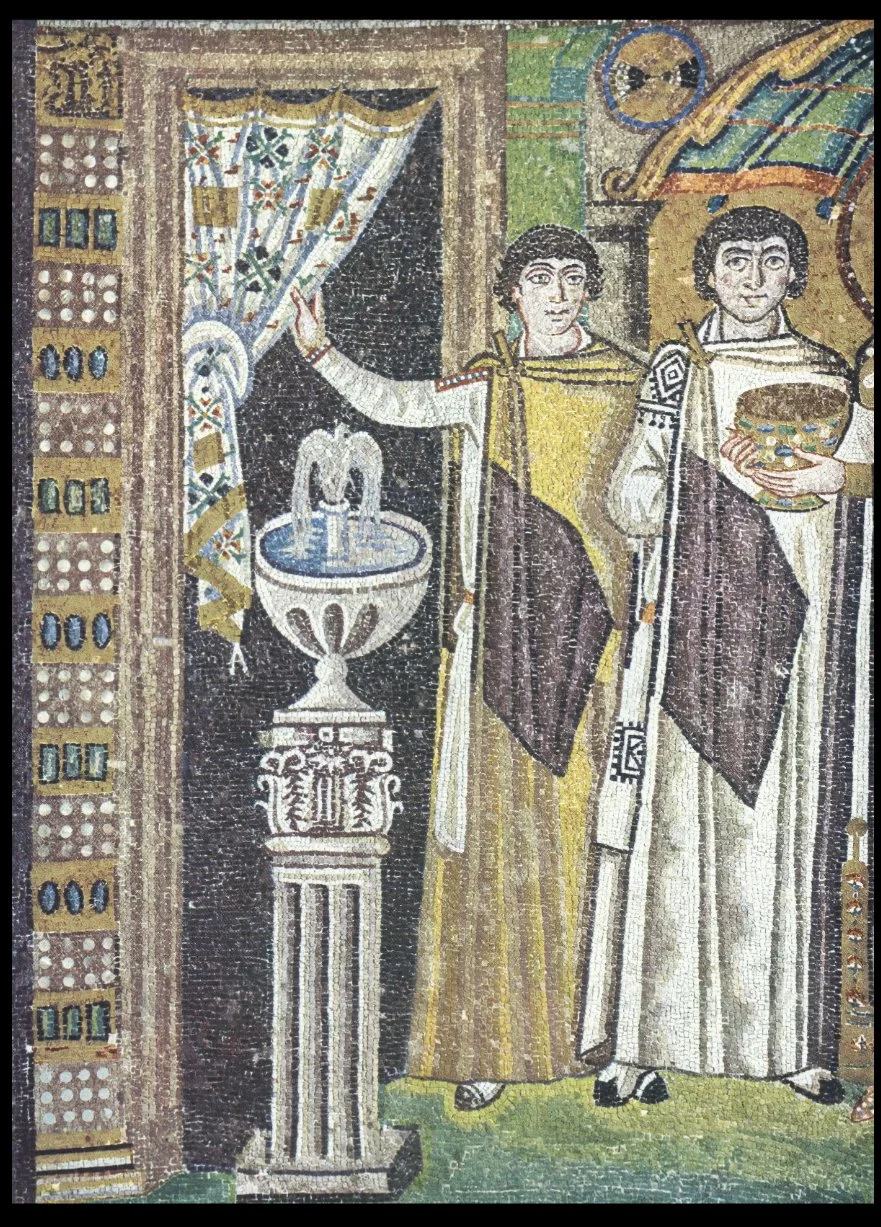
Wall. 525-547., Ravenna: Church, S. Vitale; Apse.; Portrait models for the empress and her retinue are thought to have been supplied from Constantinople. JSTOR, https://jstor.org/stable/community.11660039. Mosaic.
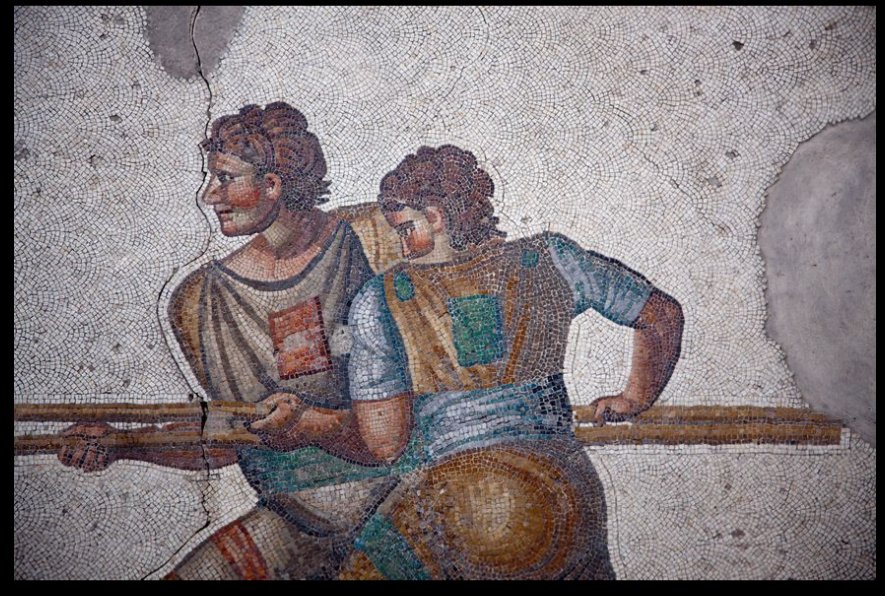
Probably ordered or commissioned by Byzantine emperor Justinian I. Great Palace Mosaic Museum, Mosaic Scene, The Tiger Hunt, Two Men With Long Hunting Spears. Circa 527-565 AD, Sites and Photos. Artstor. JSTOR, https://jstor.org/stable/community.15301379.
“141 Mosaic of Justinian Stock Photos and High-Res Images - Getty Images.” 141 Mosaic Of Justinian Stock Photos and High-Res Images - Getty Images, www.gettyimages.com/photos/mosaic-of-justinian.
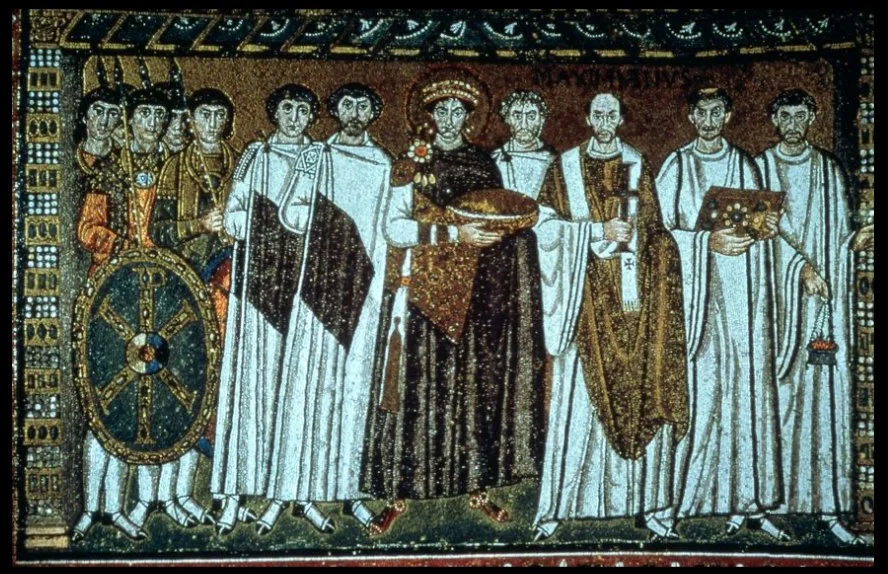
Ravenna: S. Vitale: Apse Wall: Mosaic: Justinian and His Court. 526-48 A.D. JSTOR, https://jstor.org/stable/community.13728856.
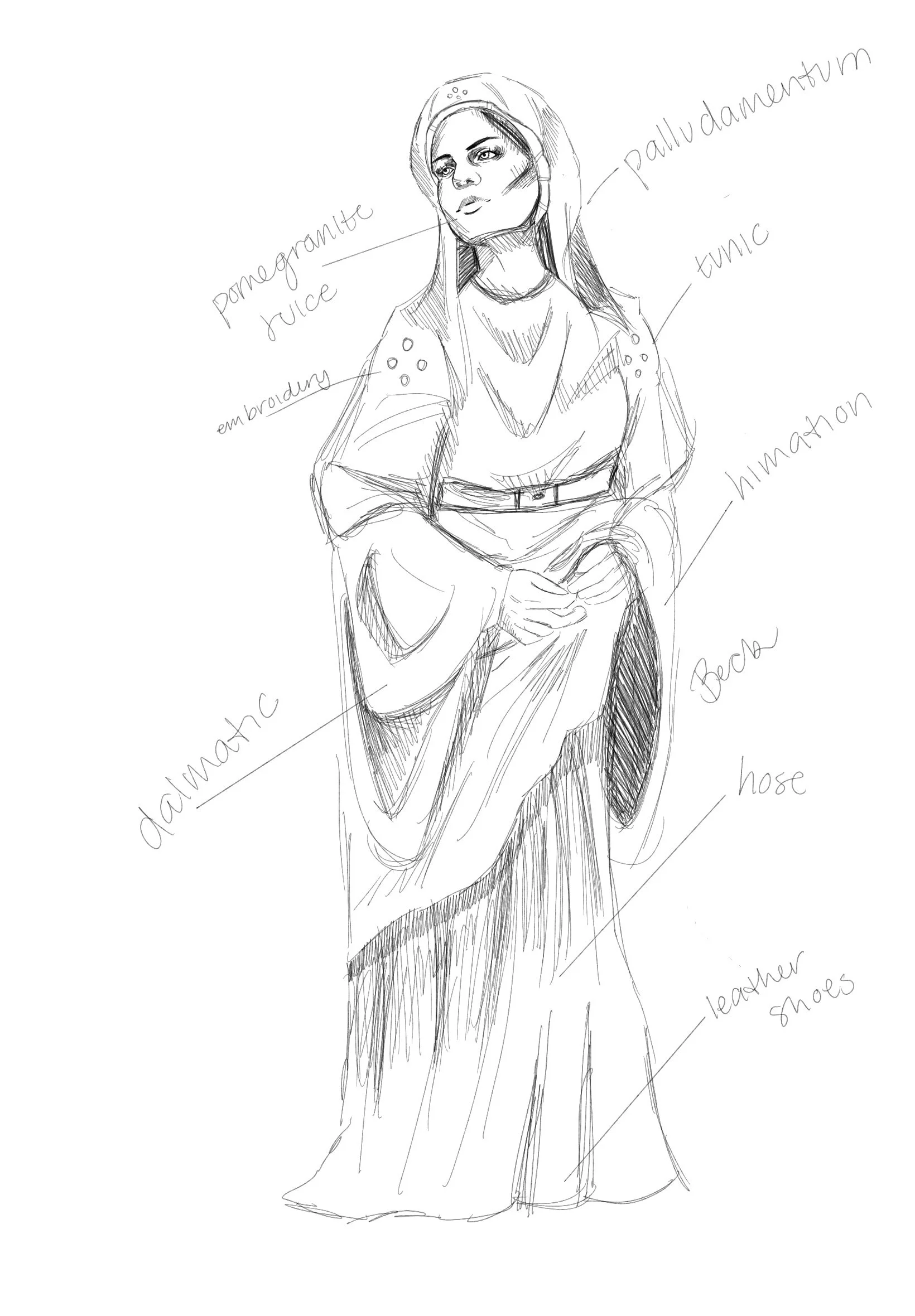
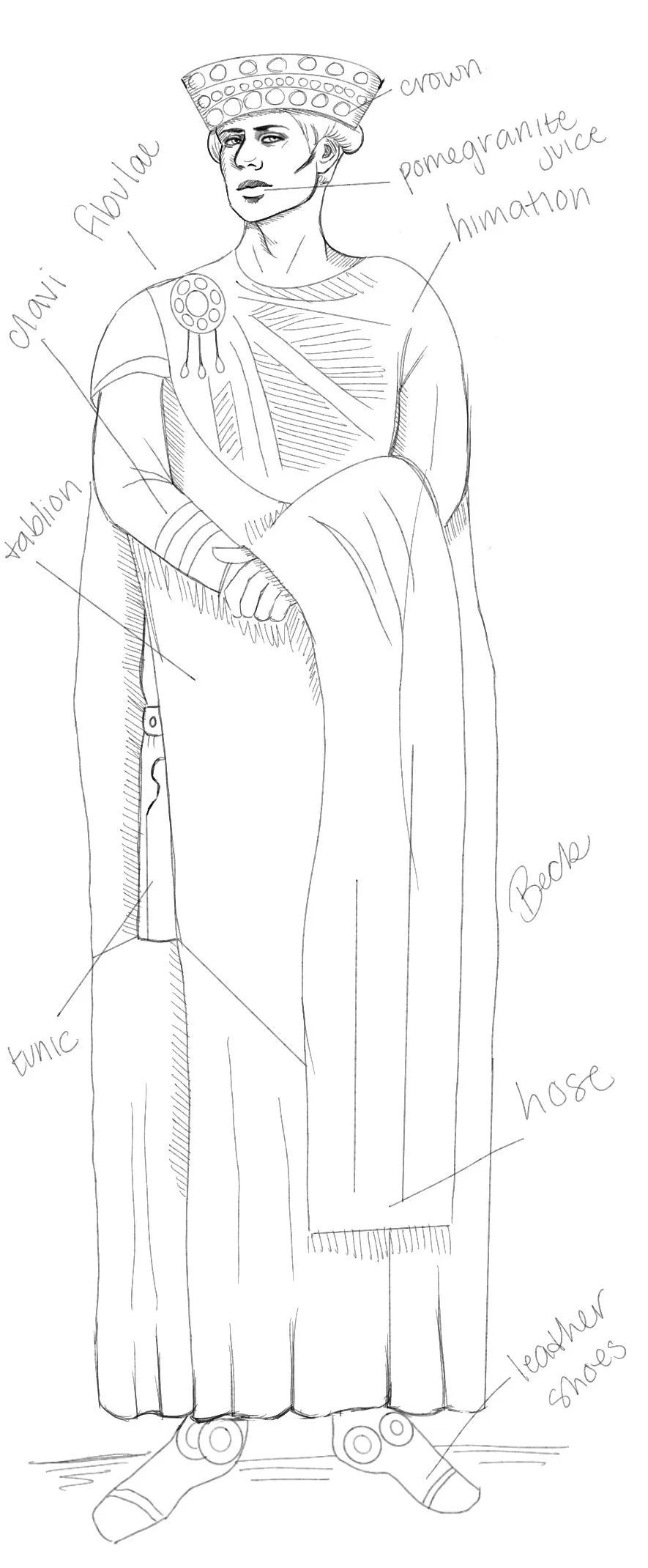
Late Middle Ages
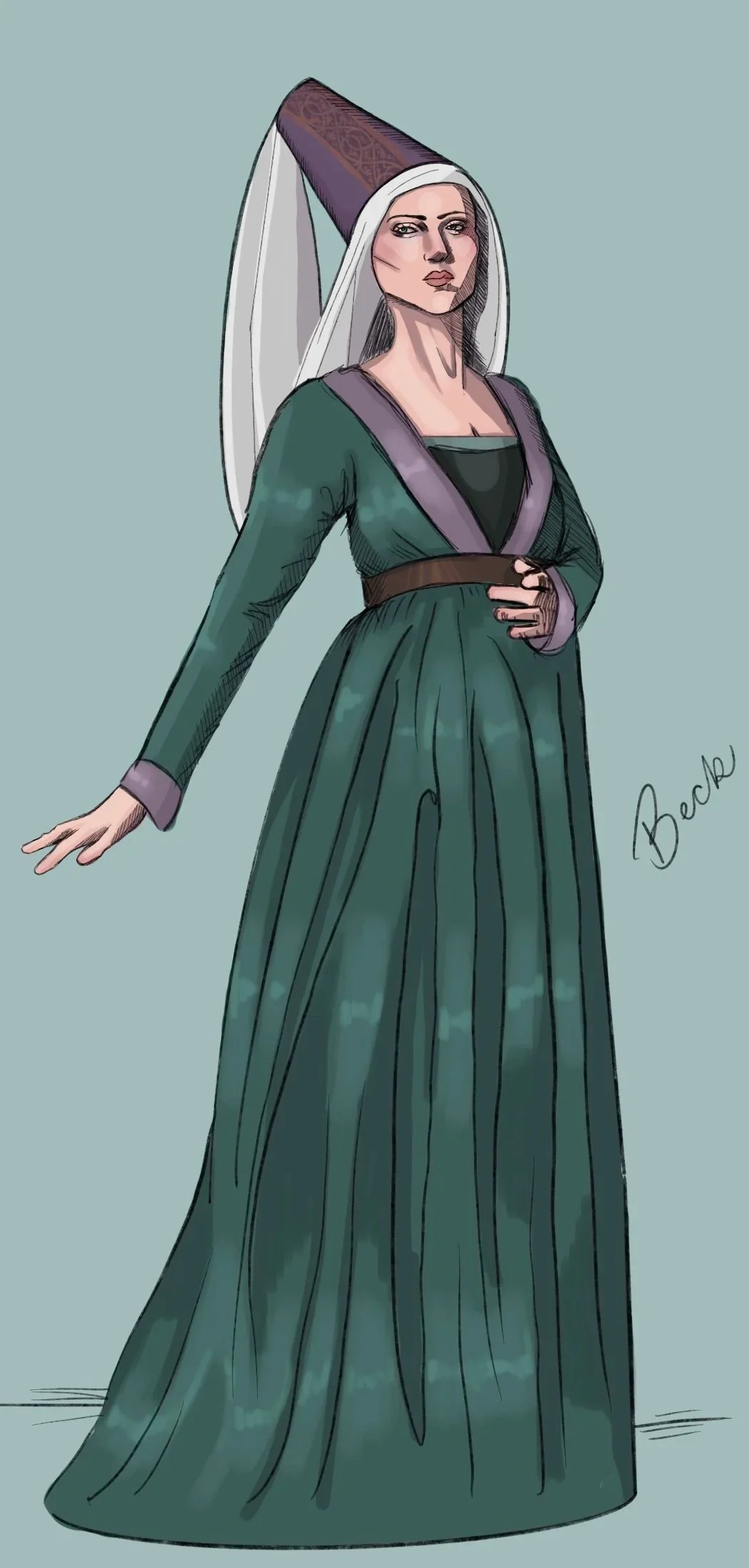
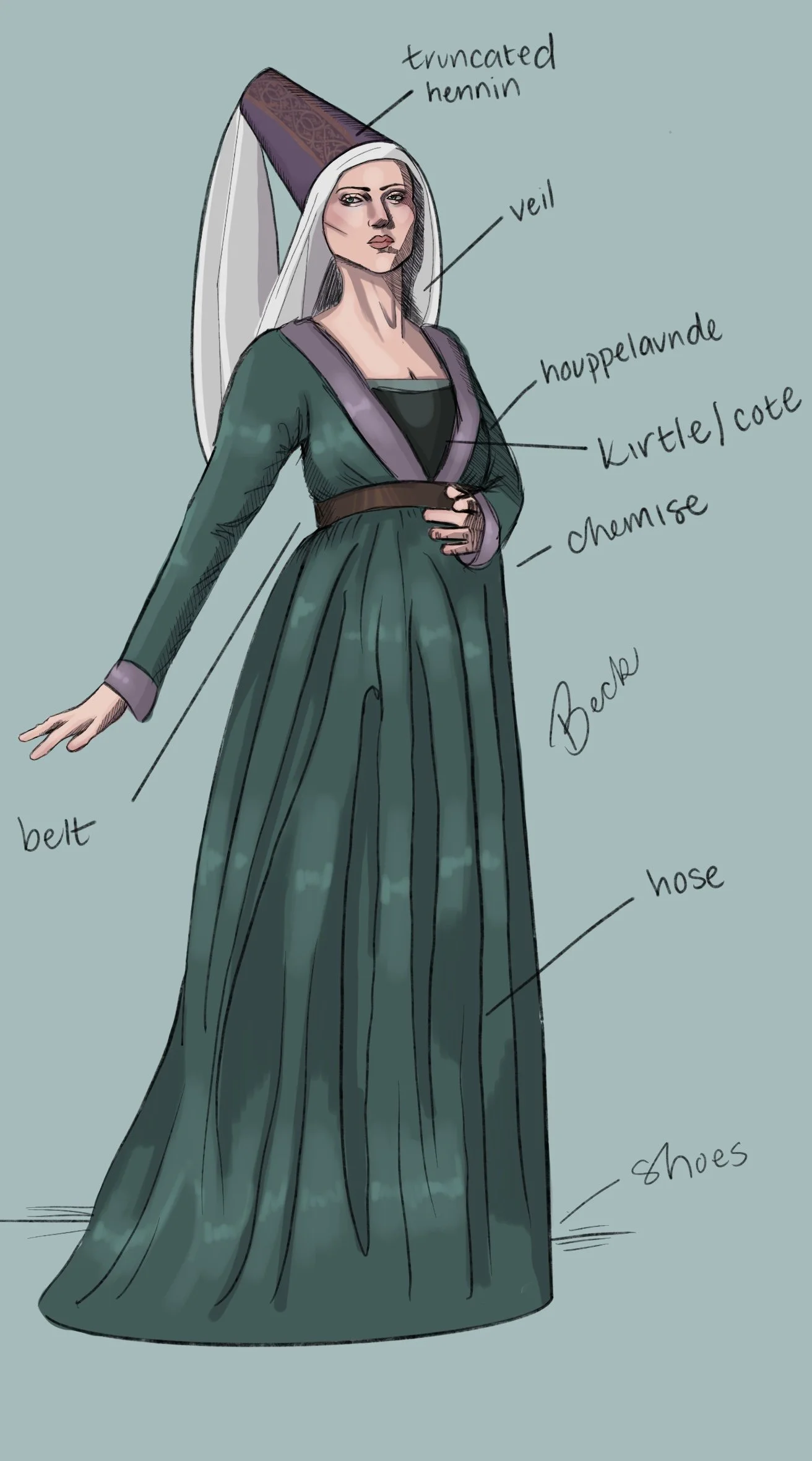
Gothic Era Woman
Primary Source Research:
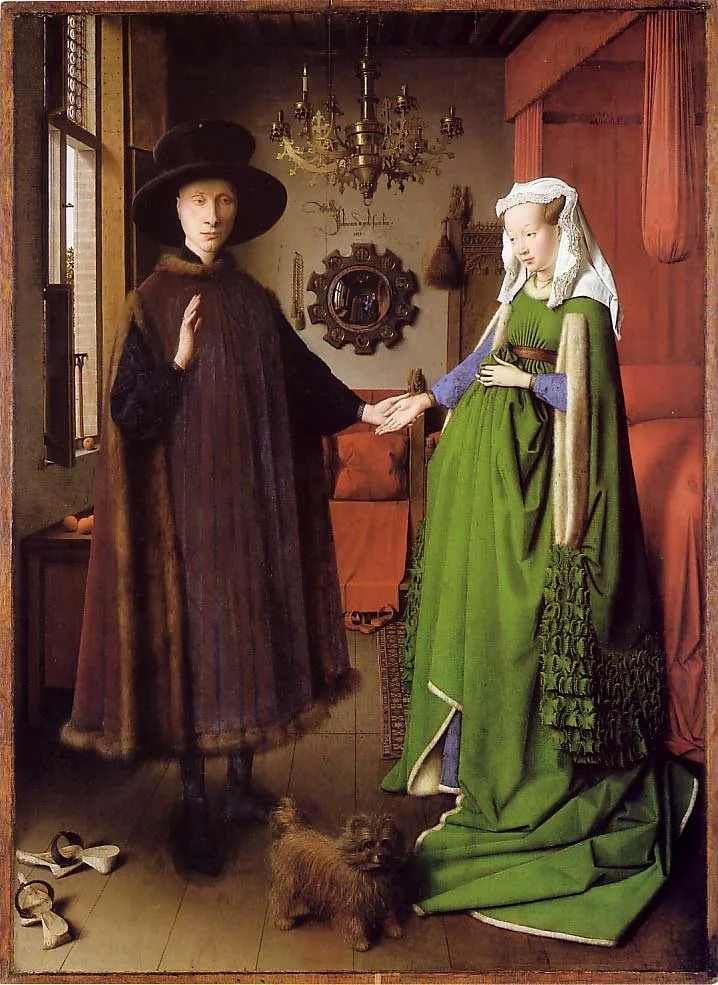
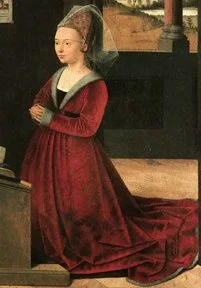
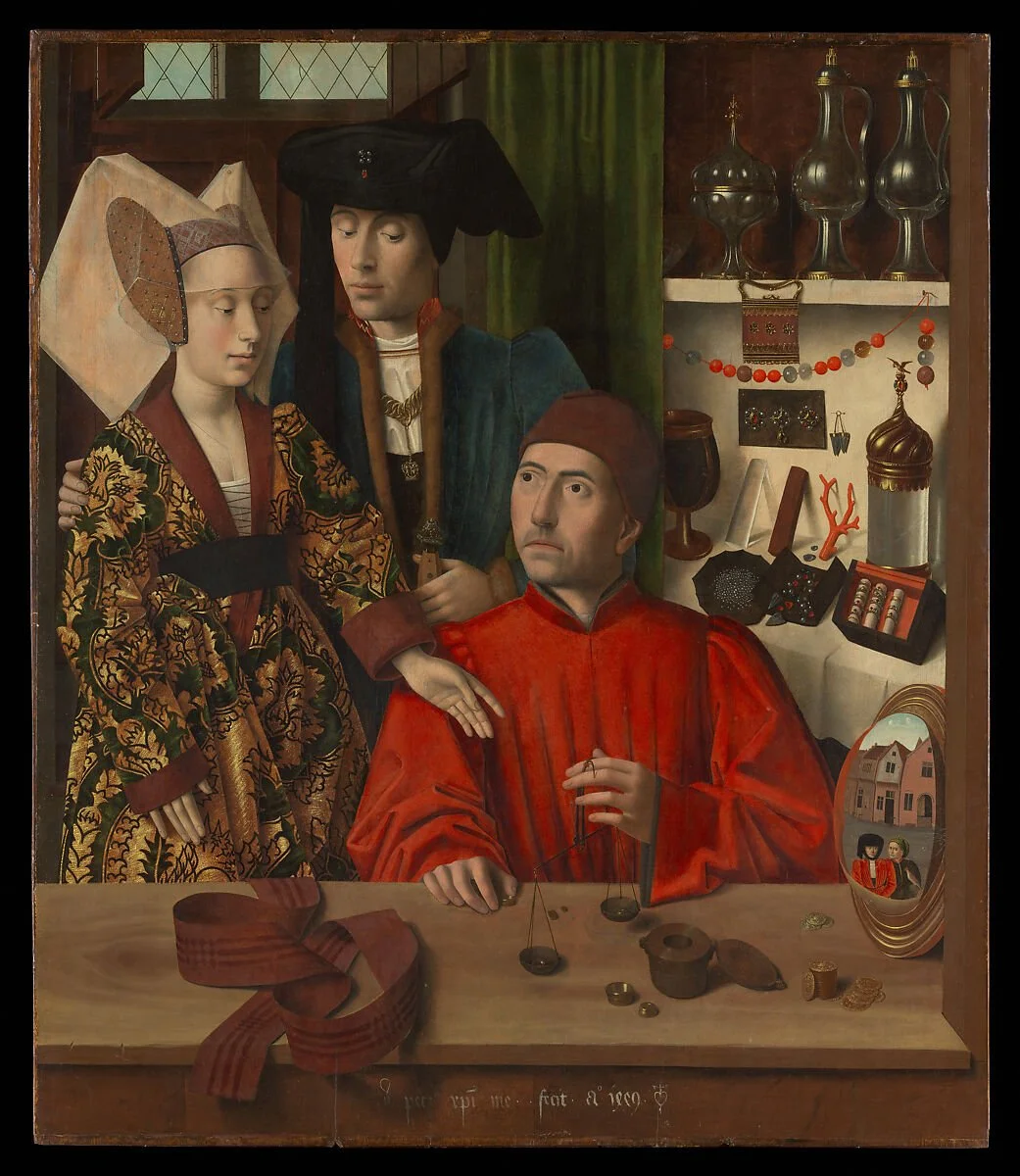
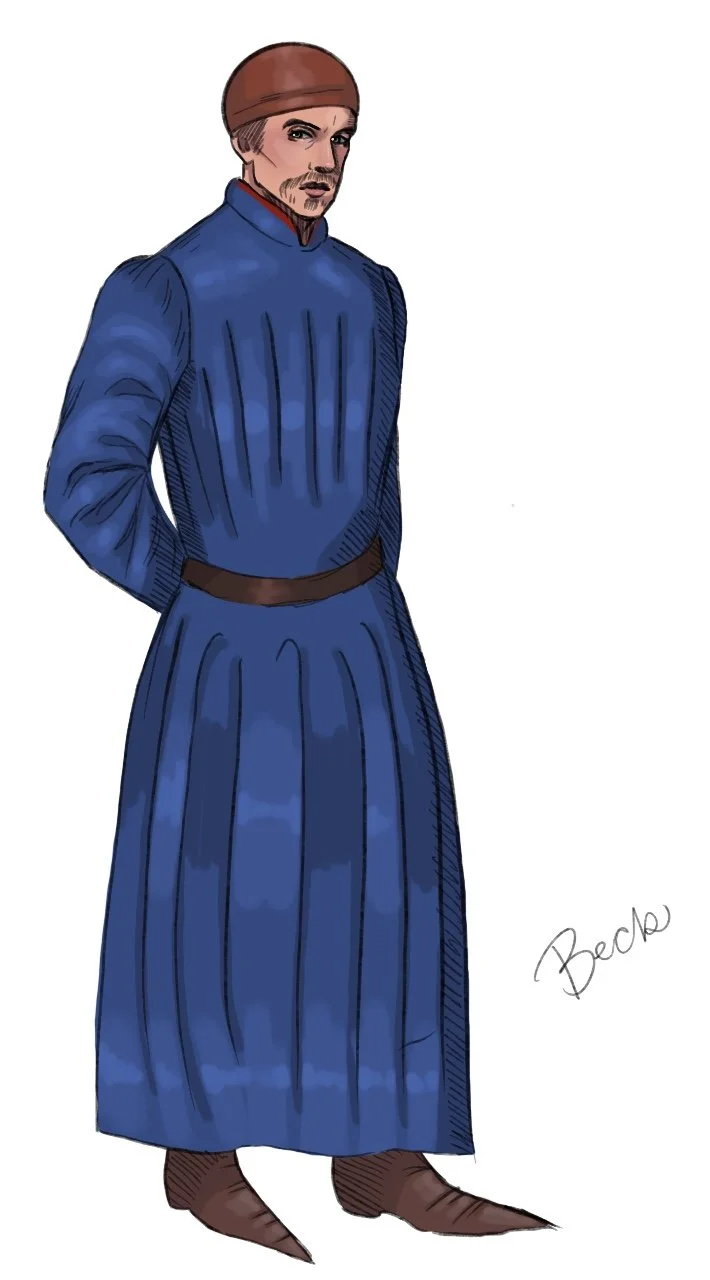
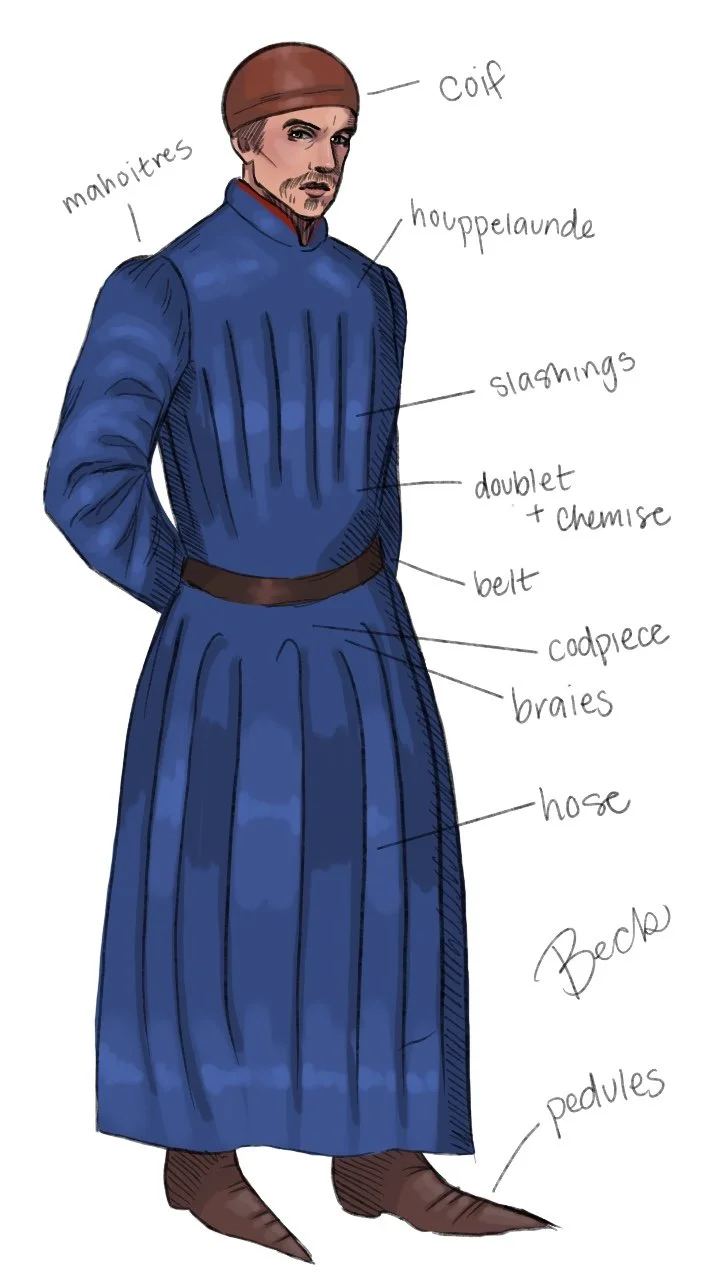
Gothic Era Man
Primary Source Research:
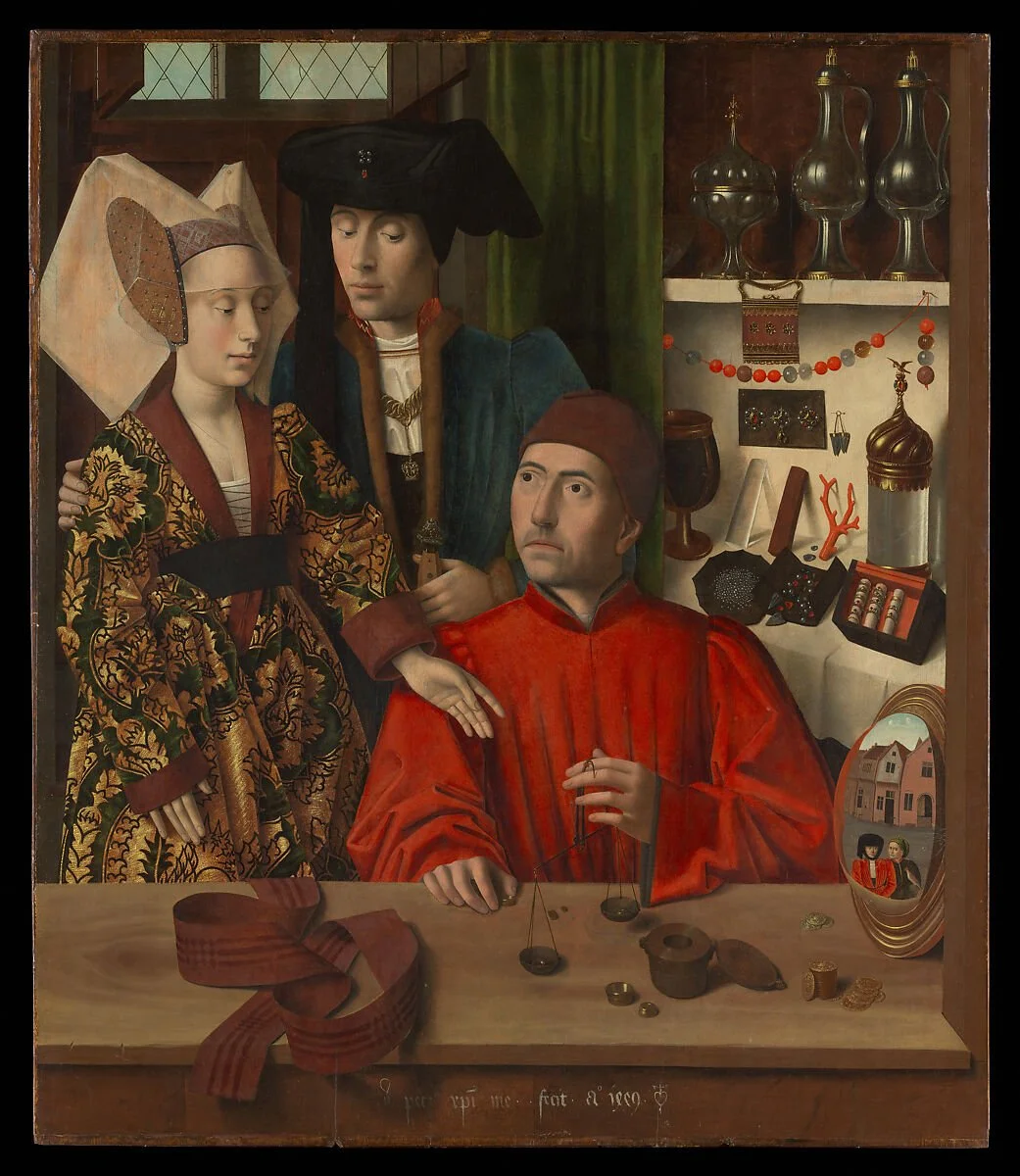
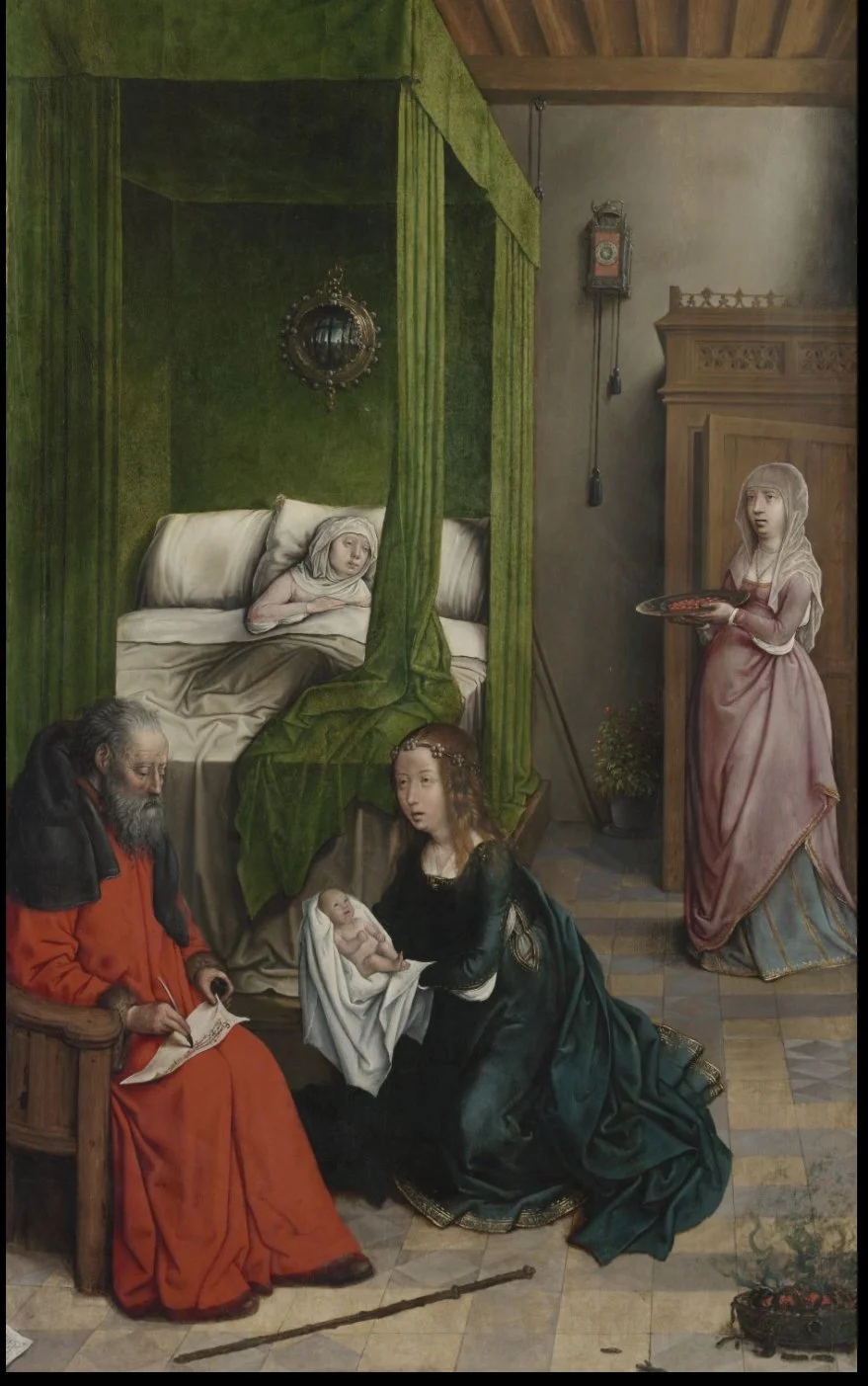
Juan de Flandes (Netherlandish, c. 1460–1519) (artist). The Birth and Naming of John the Baptist. 1496–99, The Cleveland Museum of Art; Cleveland, Ohio, USA; Collection: MED - Renaissance; Department: Medieval Art; Gallery: 110B Late Gothic; Provenance: description: Monastery of Miraflores, Spain; footnotes: None; date: None; description: (Frederick Mont, New York, sold to the Cleveland Museum of Art); footnotes: None; date: ?-1975; description: The Cleveland Museum of Art, Cleveland, OH; footnotes: None; date: 1975-; John L. Severance Fund. JSTOR, https://jstor.org/stable/community.24613723. Oil on wood.
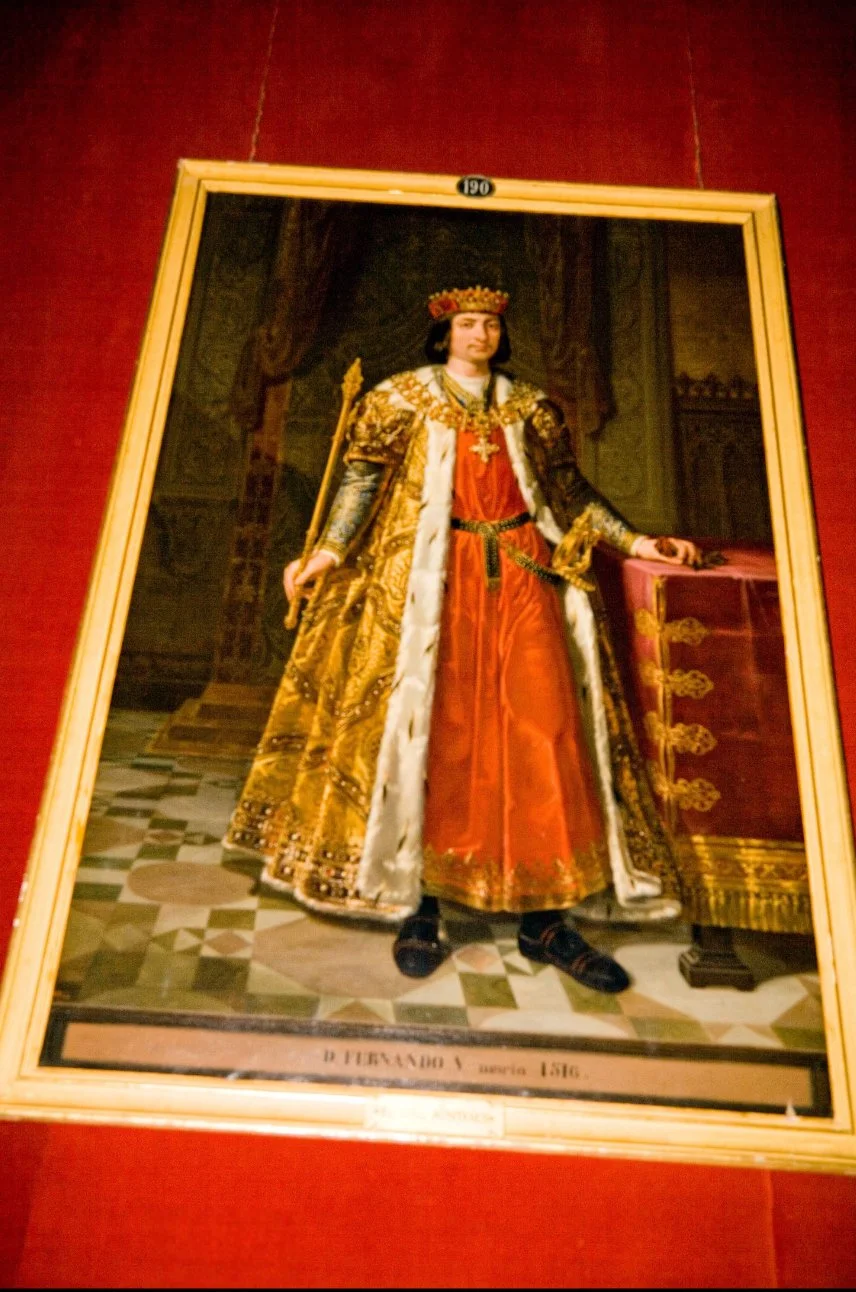
Alcazar, Throne Hall (Salon Del Trono). Room from the 14th century, Sites and Photos. Artstor. JSTOR, https://jstor.org/stable/community.15222692.
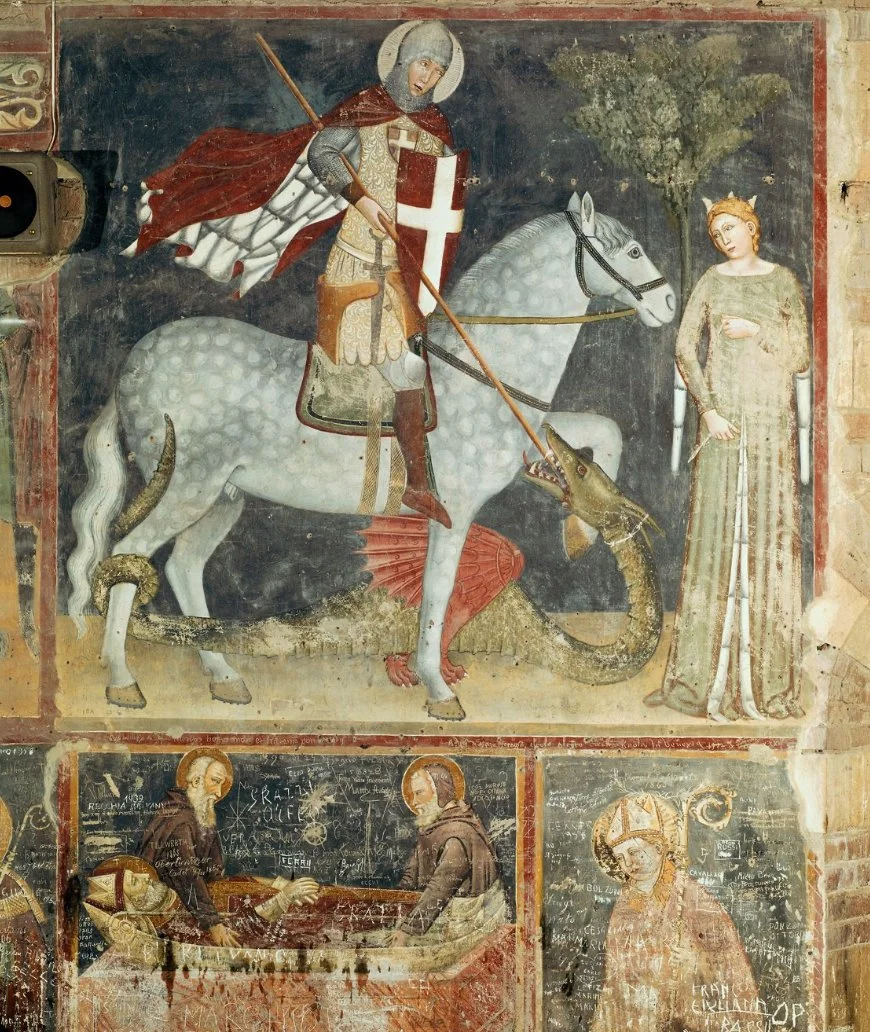
Influenced by Altichiero. Saint George and the Dragon. late 14th C, Scala Archives. Artstor. JSTOR, https://jstor.org/stable/community.16009232. Fresco.
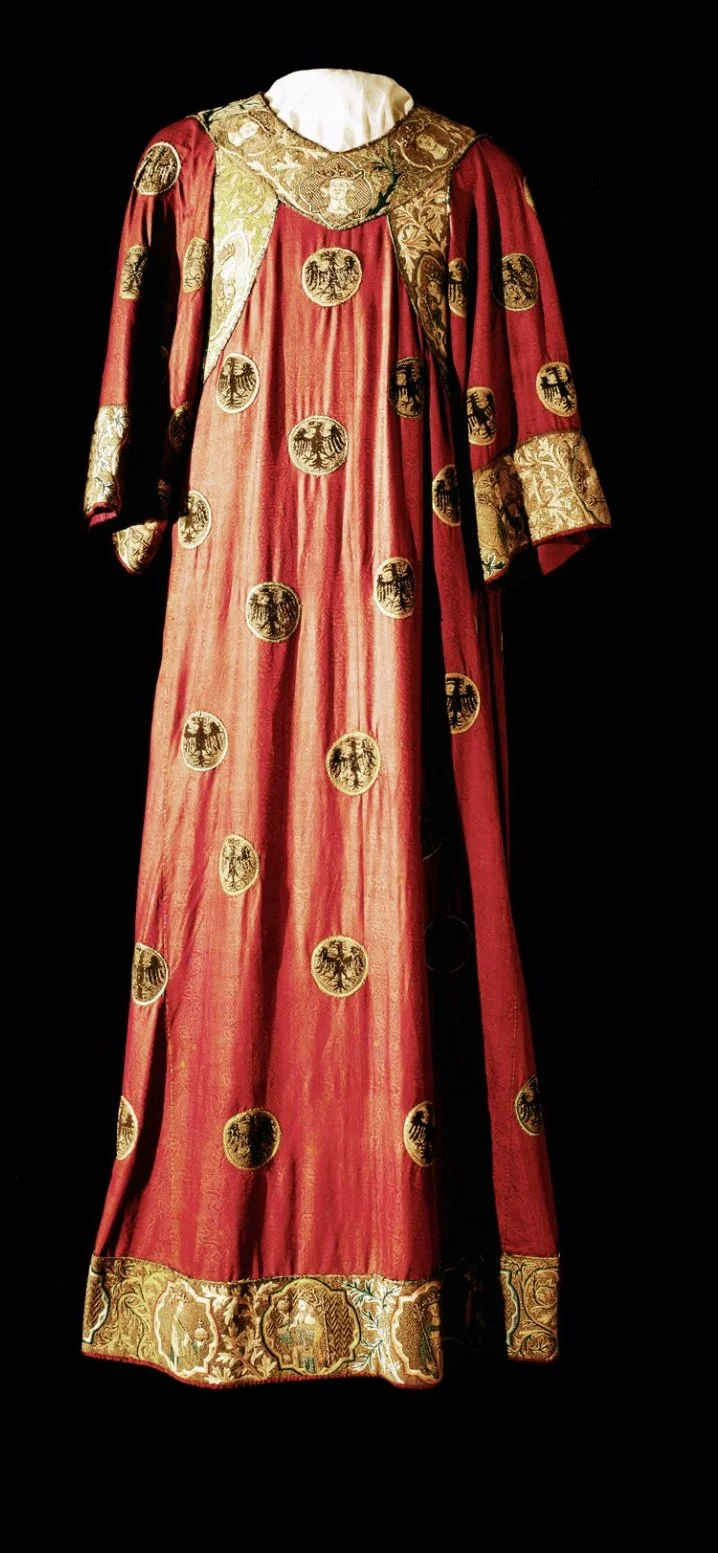
Southern German. Eagle Dalmatic of the Holy Roman Emperor. 1330-40 (material: c. 1300), Kunsthistorisches Museum Wien (Vienna, Austria). Erich Lessing Culture and Fine Arts Archives. Artstor. JSTOR, https://jstor.org/stable/community.18120451. Chinese material; silk damask twill, embroidery in silk and gold, small axinites.